
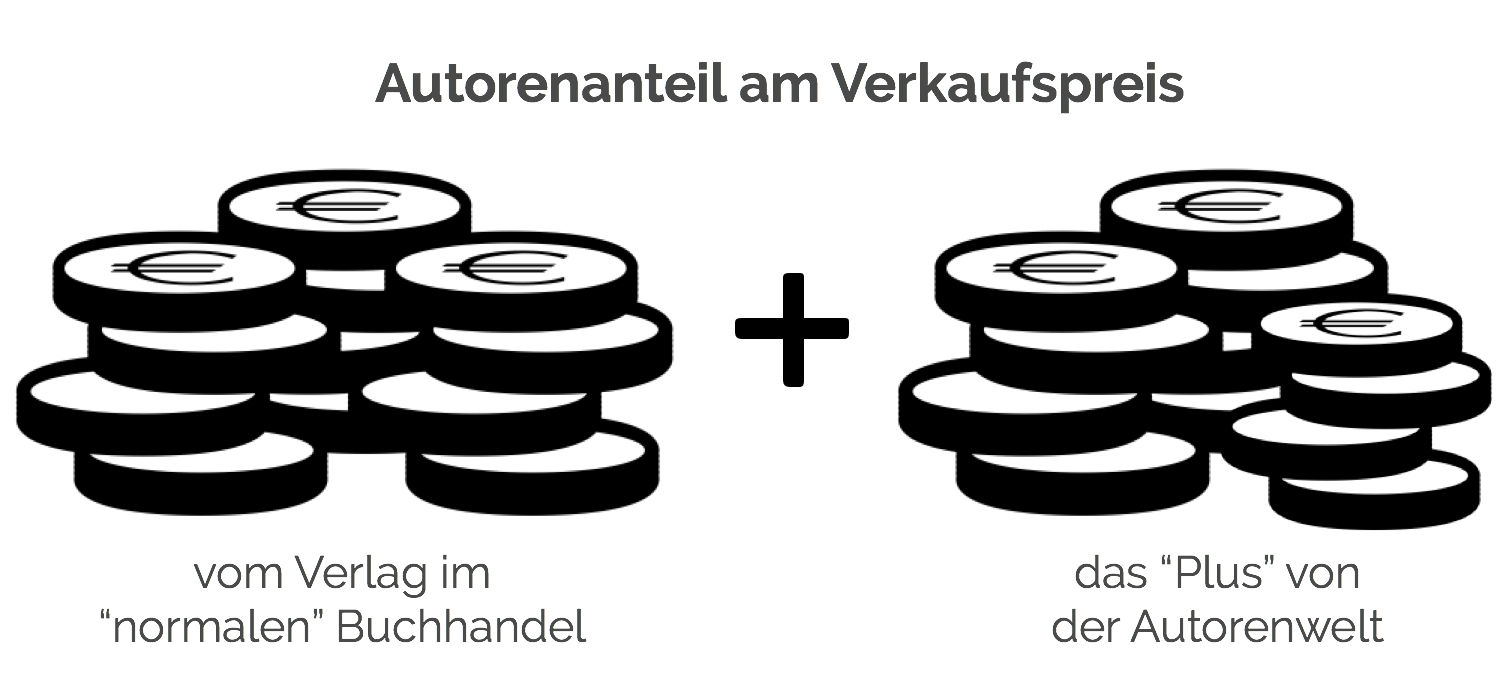
Autorenfreundlich Bücher kaufen?!
Beschreibung
Seminar paper from the year 2018 in the subject Politics - International Politics - Region: Near East, Near Orient, grade: 1,3, University of Hamburg (Fakultät für Wirtschafts- und Sozialwissenschaften), course: The Middle East in International Relations, language: English, abstract: The status of Jerusalem has always been a very sensitive, symbolic and central issue regarding the Arab-Israeli conflict.
This leads to the central question of this essay: How can the recognition of Jerusalem as the capital of Israel by the Trump administration be explained through either a structural realist or constructivist approach?
For Palestinians and Israelis, for Muslims, Christians and Jews around the world, Jerusalem is an anchor of modern identity. The Israelis claim it as the capital of their nation, the Palestinians want it to be the center of their hoped-for future state. The issue has gained a critical urgency and relevance recently, because on December 6, 2017 US-President Donald J. Trump announced the recognition of Jerusalem as the capital of Israel. By reversing seven decades of US neutrality and appeasement policy in this matter, his decision caused a lot of frustration among the Arabic community and states around the world. The UN General Assembly called the status of Jerusalem as Israel¿s capital "null and void" - a pretty extraordinary situation of disagreement between the UN and the United States (Res. ES-10/L.22 2017).
This essay will establish a theoretical framework, by comparing the two schools of thought within the rational-constructivist debate. Subsequently, both theories will be applied on the present case of US foreign policy, after having ensured contextual understanding by going through essential historical aspects of US-Israeli relations and the effects of Trump¿s decision.
Details
| Verlag | GRIN Verlag |
| Ersterscheinung | 29. April 2020 |
| Maße | 21 cm x 14.8 cm x 0.2 cm |
| Gewicht | 45 Gramm |
| Format | Softcover |
| ISBN-13 | 9783346153029 |
| Auflage | 1. Auflage |
| Seiten | 20 |
Schlagwörter
Bekannt durch