
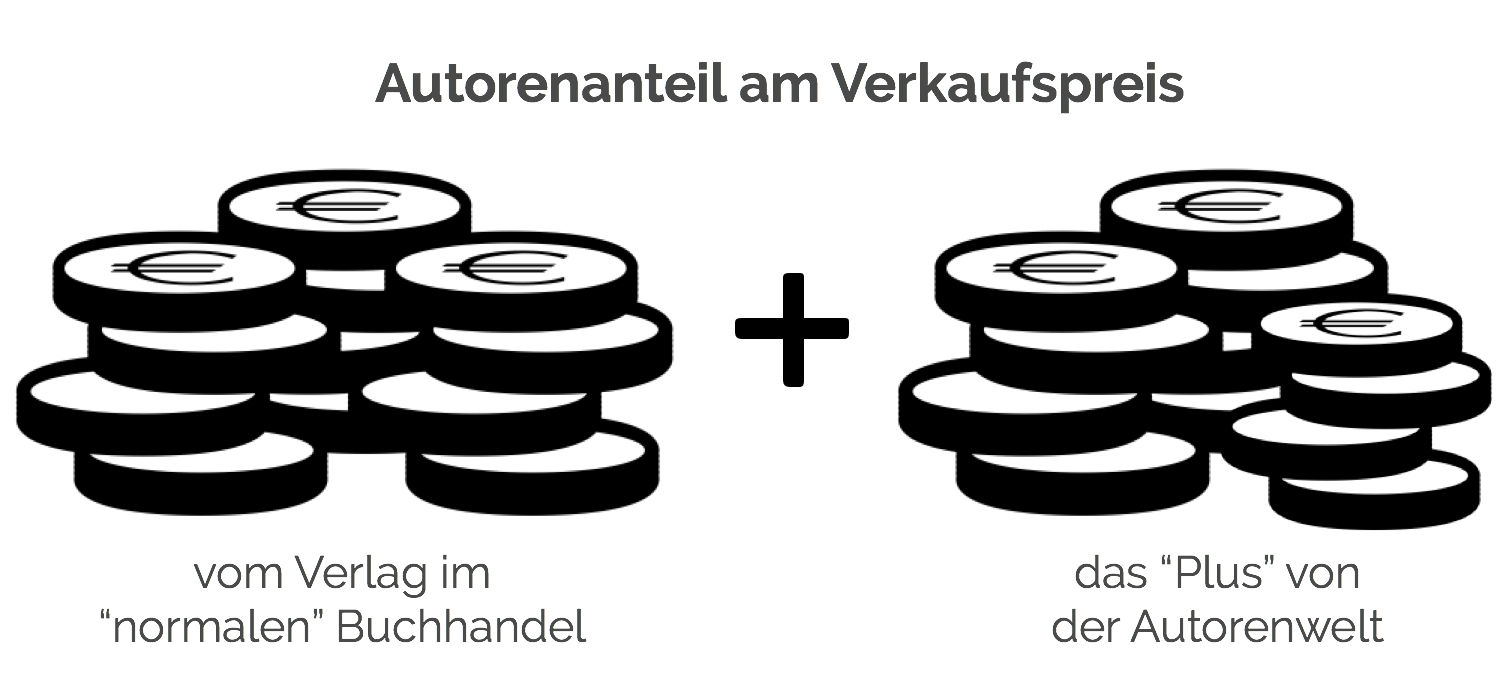
Autorenfreundlich Bücher kaufen?!
Beschreibung
Source: Wikipedia. Pages: 35. Chapters: Linus Pauling, Vitamin C, Vitamin C megadosage, Abram Hoffer, Orthomolecular psychiatry, Megavitamin therapy, Catherine Kousmine, Humphry Osmond, Redox therapy, Vitamin C and the common cold, Fred R. Klenner, Irwin Stone, Hans Alfred Nieper, Journal of Orthomolecular Medicine, Carl Pfeiffer, Myers' cocktail, Richard Kunin, Pfeiffer Treatment Center, British Society for Ecological Medicine. Excerpt: Vitamin C or L-ascorbic acid or L-ascorbate is an essential nutrient for humans and certain other animal species. In living organisms ascorbate acts as an antioxidant by protecting the body against oxidative stress. It is also a cofactor in at least eight enzymatic reactions including several collagen synthesis reactions that cause the most severe symptoms of scurvy when they are dysfunctional. In animals these reactions are especially important in wound-healing and in preventing bleeding from capillaries. Ascorbate (an ion of ascorbic acid) is required for a range of essential metabolic reactions in all animals and plants. It is made internally by almost all organisms although notable mammalian group exceptions are most or all of the order chiroptera (bats), guinea pigs, capybaras, and one of the two major primate suborders, the Anthropoidea (Haplorrhini) (tarsiers, monkeys and apes, including human beings). Ascorbic acid is also not synthesized by some species of birds and fish. All species that do not synthesize ascorbate require it in the diet. Deficiency in this vitamin causes the disease scurvy in humans. It is also widely used as a food additive. The uses and recommended daily intake of vitamin C are matters of ongoing debate, with RDI ranging from 45 to 95 mg/day. Vitamin C is purely the L-enantiomer of ascorbate; the opposite D-enantiomer has no physiological significance. Both forms are mirror images of the same molecular structure. When L-ascorbate, which is a strong reducing agent, carries out its reducing function, it is converted to its oxidized form, L-dehydroascorbate. L-dehydroascorbate can then be reduced back to the active L-ascorbate form in the body by enzymes and glutathione. During this process semidehydroascorbic acid radical is formed. Ascorbate free radical reacts poorly with oxygen, and thus, will not create a superoxide. Instead two semidehydroascorbate radicals will react and form one ascorbate and one dehydroascorbate. With the help of
Linus Pauling, Vitamin C, Vitamin C megadosage, Abram Hoffer, Orthomolecular psychiatry, Megavitamin therapy, Catherine Kousmine, Humphry Osmond, Redox therapy, Vitamin C and the common cold, Fred R. Klenner, Irwin Stone
Details
| Verlag | Books LLC, Reference Series |
| Ersterscheinung | November 2011 |
| Maße | 24.6 cm x 18.9 cm x 0.3 cm |
| Gewicht | 93 Gramm |
| Format | Softcover |
| ISBN-13 | 9781155571850 |
| Seiten | 36 |
Schlagwörter
Bekannt durch