
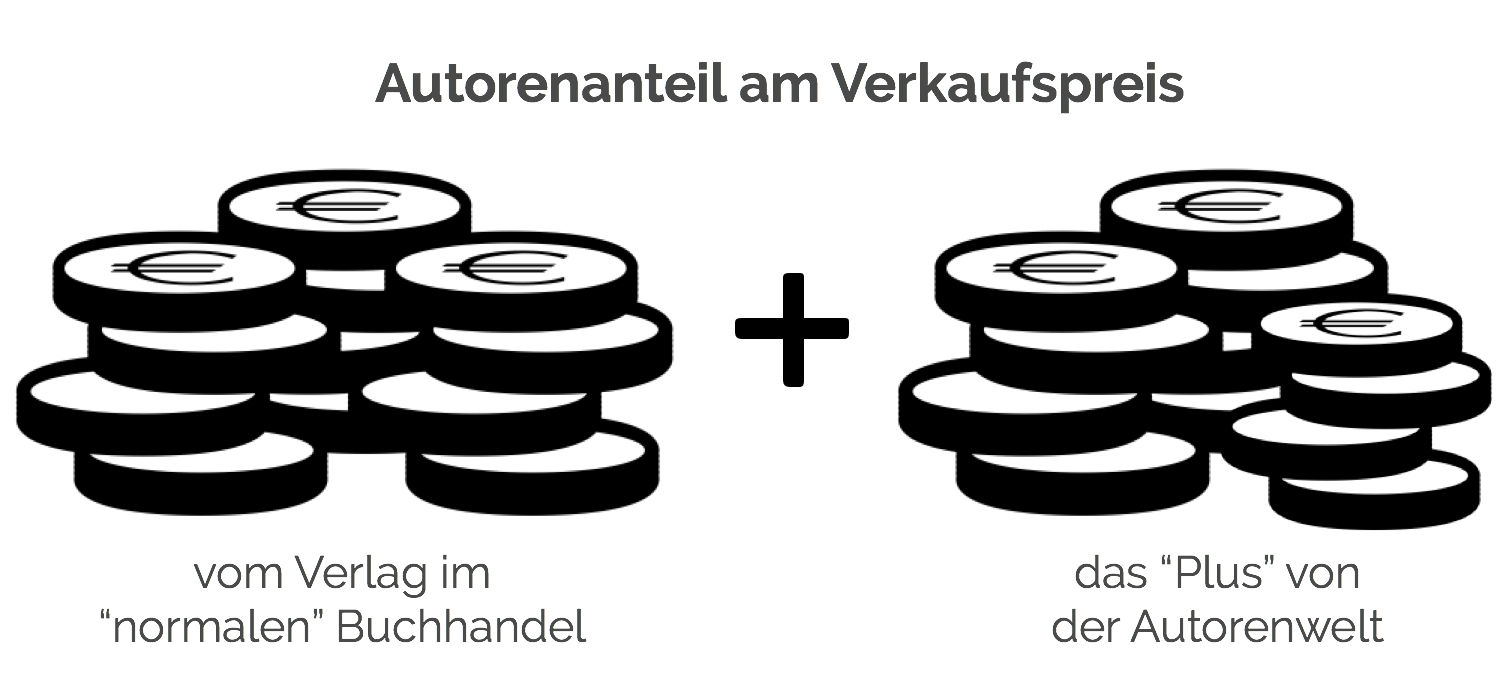
Autorenfreundlich Bücher kaufen?!
Beschreibung
Seminar paper from the year 2015 in the subject English Language and Literature Studies - Linguistics, grade: 1,7, Technical University of Chemnitz (Anglistik/Amerikanistik), course: Sociolinguistics, language: English, abstract: This paper is going to deal with the social differentiation in lexical choice in the context of apologising. More precisely, its purpose is the analysis of the correlation of social class and the use of the lexical variants 'pardon', 'sorry', 'excuse me' and 'what'. Another aim of this paper is to prove that at least two groups, in this case members of social classses in England, are distinctly different in their usage of apologies. Apart from that, it is going to figure out whether the variant 'pardon' is socially stigmatised as an underclass utterance, as stated in the popular book "Watching the English" by Kate Fox.
The first chapter is dedicated to explain why some words are related to social classes. This is going to be approached with two important anthropological works that deal with the issue. Further, it is going to examine why speakers behave class-conscious in conversational situations or not, and how this is linked to their active language planning. Following this, the method of social stratification is explained. This chapter focuses on the division of society into classes and on defining a class scheme which could serve as the most reasonable for the analysis. Chapter 3 is going to introduce the method of research of the present study, a quantitative analysis, and explain why this approach had been chosen. Further, it is going to present the layout of the questionnaire. In chapter 4, the results of the quantitative analysis are going to be presented and interpreted in order to approach the research question of this paper. For reasons of simplification, this term paper is going to use the male form of a speaker and a participant.
Details
| Verlag | GRIN Verlag |
| Ersterscheinung | 19. Januar 2016 |
| Maße | 21 cm x 14.8 cm x 0.3 cm |
| Gewicht | 51 Gramm |
| Format | Softcover |
| ISBN-13 | 9783668127302 |
| Auflage | 1. Auflage |
| Seiten | 24 |
Bekannt durch