
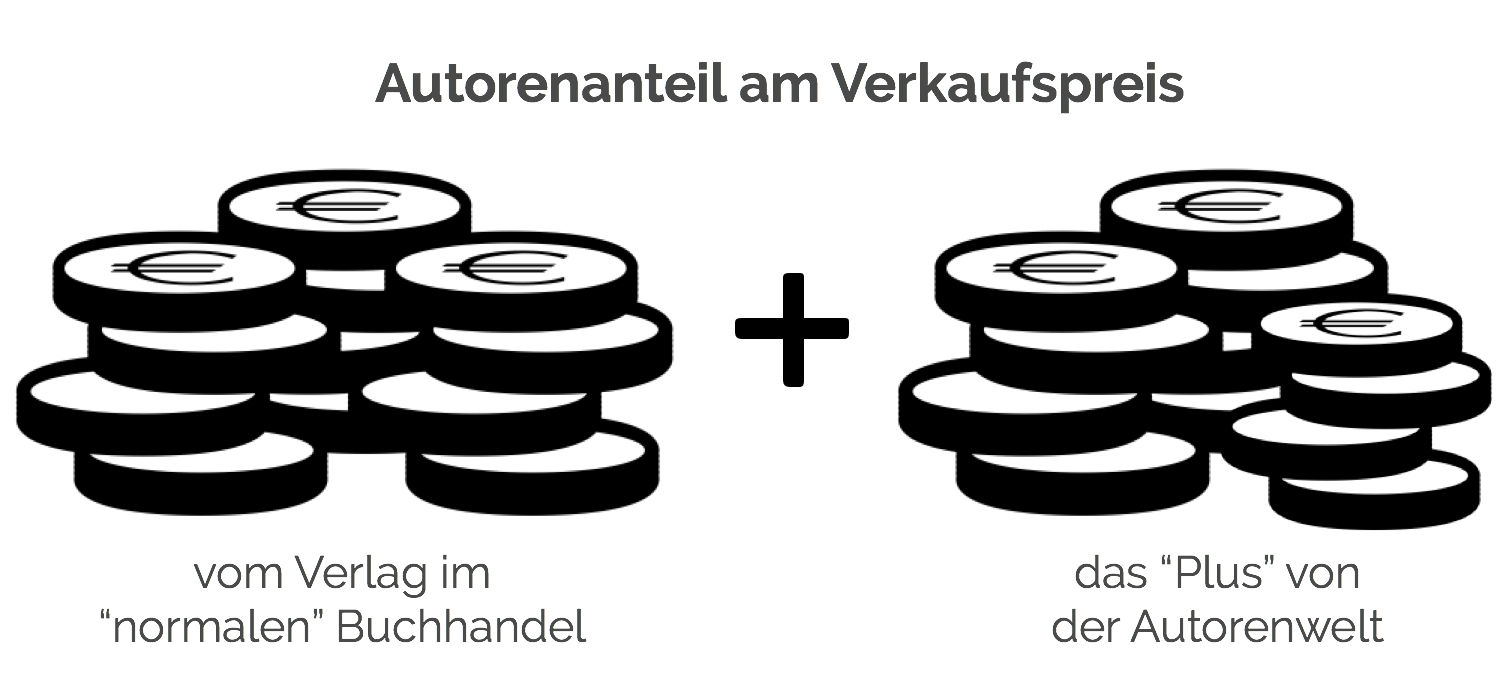
Autorenfreundlich Bücher kaufen?!
Beschreibung
Seminar paper from the year 2008 in the subject Politics - Topic: Peace and Conflict, Security, grade: 1,3, University of Marburg (Zentrum für Konfliktforschung), course: Seminar, language: English, abstract: The Golf-Crisis in August 1990 was the first test for the newly strengthened UN. The resolutions of this time are all formulated very clear. It seemed that the international community spoke with one voice on the Iraqi aggression against Kuwait and that the UN could finally work as guarantor of the international peace.
But soon after the US-led military operation ¿Desert Storm¿ that pushed the Iraqi army back into their territory the first euphoria started to crumble. In the Security Council Resolution of April 1991 it became clear that there was more to the Iraq-Case than just the aggression against Kuwait. In the formulation of resolution 687 it was obvious that the US wanted to bring the downfall of Saddam Hussein about.
The sanctions which were imposed on Iraq with resolution 661 in August 1990 were redefined and linked to the absolute disarmament of the Iraqi programme for weapons of mass destruction. These sanctions were supposed to increase the pressure on Saddam Hussein to comply with the demands made by the resolutions. Focusing on this the Security Council almost completely ignored the humanitarian aspects of the sanctions. By cutting Iraq off the international trading market and freezing all of its banking accounts it was just a matter of time until Iraq would run out of money and the people would suffer from famine.
First attempts to solve the developing humanitarian crisis of the Iraqi people were made in resolutions 706(1991) and 712(1991) which allowed Iraq to sell limited quantities of oil to meet the people¿s needs.
The government of Iraq rejected these resolutions because the sale of petroleum and its products was linked to other demands which were considered to be not acceptable. So it took four more years until the ¿Oil-for-Food¿ programme (OFF) in 1995 made a new attempt to handle the increasingly disastrous humanitarian situation in Iraq.
In the ongoing debate about reforming the UN one of the major topics is the debate about ¿smart¿ or ¿targeted sanctions¿.
After a brief description of the second Gulf War I will discuss the problems and failures of the UN sanctions policy on Iraq from the Golf-Crisis in 1991 to the outbreak of the current war in 2003 that still haunts the country and compare them to the concept of targeted sanctions. In the end it will be possible to draw some conclusions of what can be learned for the future from the failures that have been made in Iraq.
Details
| Verlag | GRIN Verlag |
| Ersterscheinung | 28. Juli 2008 |
| Maße | 21 cm x 14.8 cm x 0.3 cm |
| Gewicht | 62 Gramm |
| Format | Softcover |
| ISBN-13 | 9783640120116 |
| Auflage | 2. Auflage |
| Seiten | 32 |
Schlagwörter
Bekannt durch