
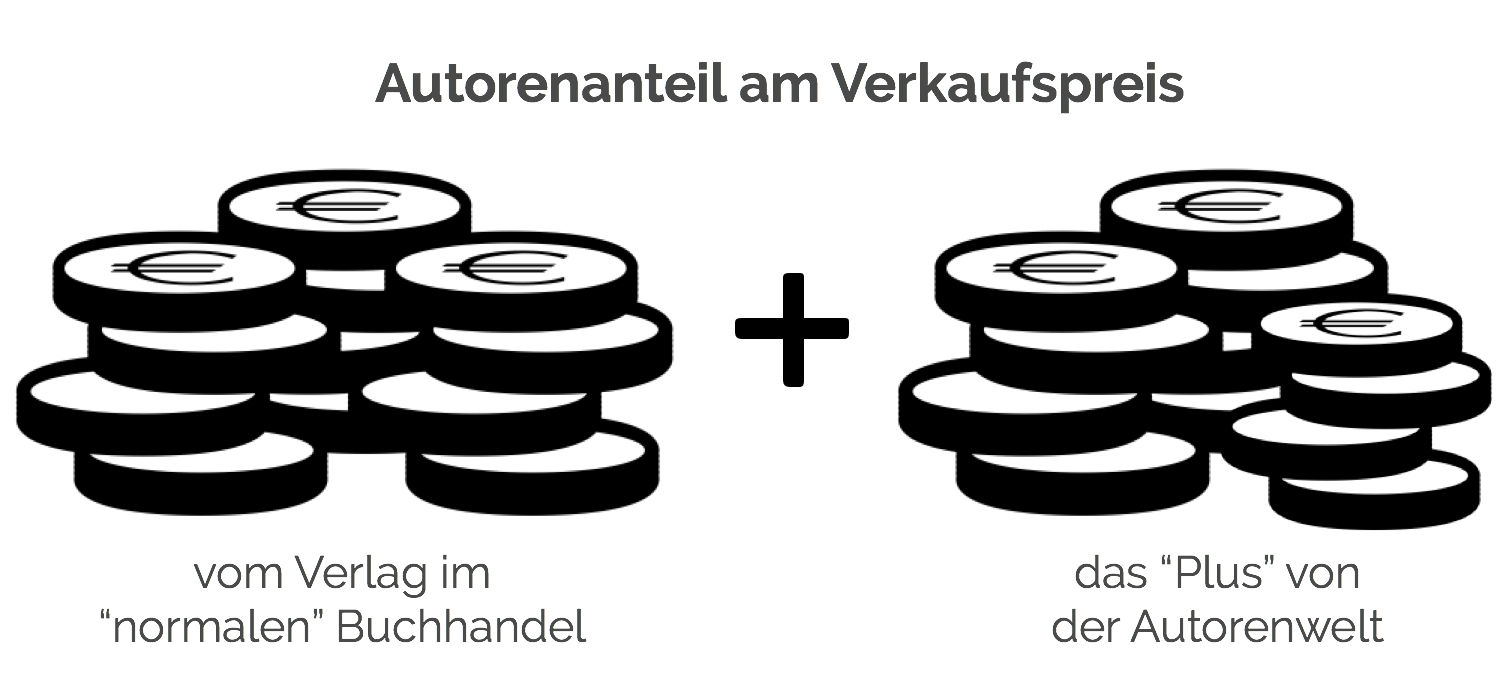
Autorenfreundlich Bücher kaufen?!
Beschreibung
Source: Wikipedia. Pages: 36. Chapters: Nakajima Ki-201, Kawasaki Ki-61, Akutan Zero, Kawanishi N1K, Kawasaki Ki-100, Nakajima Ki-84, Mitsubishi J8M, Nakajima Ki-44, Mitsubishi J2M, Nakajima Kikka, Nakajima J1N, Kyushu J7W, Rikugun Ki-93, Mitsubishi A7M, Nakajima Ki-87, Tachikawa Ki-94, Kawasaki Ki-96, Yokosuka E14Y, Kawasaki Ki-102, Mitsubishi Ki-83, Nakajima J5N, Mitsubishi Ki-202, Kawasaki Ki-64, Mizuno Shinryu. Excerpt: The Kawasaki Ki-61 Hien (¿¿, roughly "flying swallow") was a Japanese World War II fighter aircraft used by the Imperial Japanese Army Air Force. The first encounter reports claimed Ki-61s were Messerschmitt Bf 109s: further reports claimed that the new aircraft was an Italian design, which led to the Allied reporting name of "Tony", assigned by the United States War Department. The Japanese Army designation was "Army Type 3 Fighter" (¿¿¿¿¿). It was the only mass-produced Japanese fighter of the war to use a liquid-cooled inline V engine. Over 2.500 Ki-61s were produced, first seeing action around New Guinea in 1943, and continuing to fly combat missions throughout the war. Kawasaki Ki-61 Hien Kawasaki Ki-61 Hien with drop tank A factory fresh Ki-61-I-Ko being ferried to either the 68th or 78th Sentai in New Guinea; it has yet to receive the distinctive dark green "palm leaf" pattern which was usually applied by front-line units in the Southern theatre, nor does it have the usual black anti-glare panel forward of the cockpit.The Ki-61 was designed by Takeo Doi and his deputy Shin Owada in response to a late 1939 tender by the Koku Hombu for two fighters, each to be built around the Daimler-Benz DB 601Aa. Production aircraft would use a Kawasaki licensed DB 601, known as the Ha-40, which was to be manufactured at its Akashi plant. The Ki-60 was to be a heavily armed specialised interceptor, with a high wing loading; the Ki-61 was to be a more lightly loaded and armed general-purpose fighter, intended to be used mainly in an offensive, air superiority role at low to medium altitudes. Both single-seat, single-engine fighters used the same basic construction, being of all-metal alloys with semi-monocoque fuselages and three-spar wings, with alloy-framed, fabric-covered ailerons, elevators and rudders. Priority was given to the Ki-60, which first flew in April 1941, while design work on the Ki-61 did not begin until December 1940. Although the Ki-61 was broadly similar t
Nakajima Ki-201, Kawasaki Ki-61, Akutan Zero, Kawanishi N1K, Kawasaki Ki-100, Nakajima Ki-84, Mitsubishi J8M, Nakajima Ki-44, Mitsubishi J2M, Nakajima Kikka, Nakajima J1N, Kyushu J7W, Rikugun Ki-93, Mitsubishi A7M, Nakajima Ki-87
Details
| Verlag | Books LLC, Reference Series |
| Ersterscheinung | August 2012 |
| Maße | 24.6 cm x 18.9 cm x 0.3 cm |
| Gewicht | 93 Gramm |
| Format | Softcover |
| ISBN-13 | 9781155534169 |
| Seiten | 36 |
Schlagwörter
Bekannt durch