
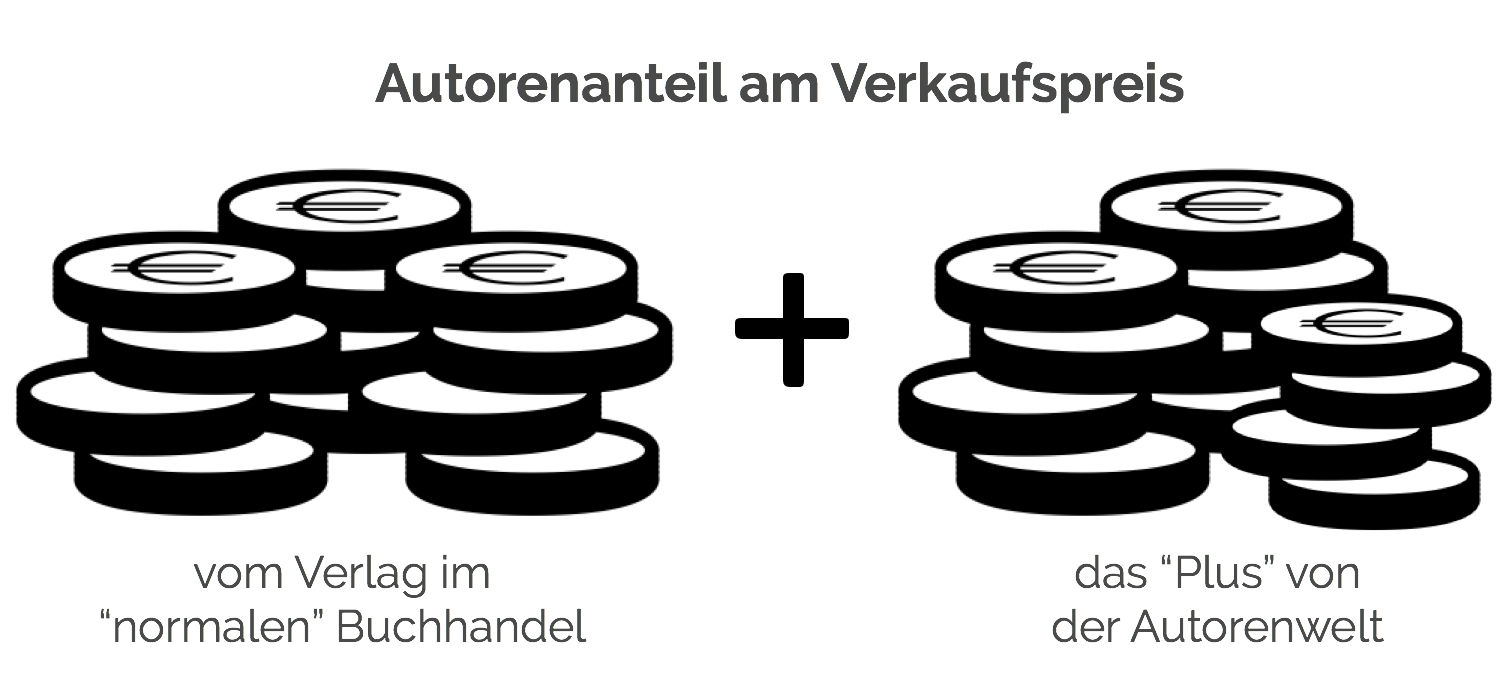
Autorenfreundlich Bücher kaufen?!
Beschreibung
Source: Wikipedia. Pages: 66. Chapters: Noosphere, Ken Wilber, Sri Aurobindo, Philosophy and Spiritualism of Sri Aurobindo, Richard Tarnas, Integral, William Irwin Thompson, Integral Theory, Integral yoga, Roland Benedikter, Holism in science, Auroville, A. H. Almaas, List of integral thinkers and supporters, Jean Gebser, Andrew Cohen, California Institute of Integral Studies, Holon, Rolf Sattler, Involution, Savitri: A Legend and a Symbol, Clare W. Graves, Arthur M. Young, Bede Griffiths, John David Garcia, Indra Sen, Steve McIntosh, Jennifer Gidley, Integral psychology, Sri Aurobindo Ashram, Michel Bauwens, Michael Murphy, Integral ecology, Haridas Chaudhuri, Georg Feuerstein, Sean Esbjörn-Hargens, Meshico, Integral education, Integral art, Jorge Ferrer, Frank Visser, Law of Complexity/Consciousness, Erich Jantsch, Yasuhiko Kimura, Holarchy, Robert A. McDermott, EnlightenNext, Charlene Spretnak, Ulrich Mohrhoff. Excerpt: Sri Aurobindo (Bengali: Sri Ôrobindo) (15 August 1872 - 5 December 1950), born Aurobindo Ghose, was an Indian nationalist, freedom fighter, philosopher, yogi, guru, and poet. He joined the Indian movement for freedom from British rule and for a duration became one of its most important leaders, before developing his own vision of human progress and spiritual evolution. The central theme of Sri Aurobindo's vision is the evolution of human life into life divine. Writes he:"Man is a transitional being. He is not final. The step from man to superman is the next approaching achievement in the earth evolution. It is inevitable because it is at once the intention of the inner spirit and the logic of nature's process." Sri Aurobindo synthesized Eastern and Western philosophy, religion, literature, and psychology in writings. Aurobindo was the first Indian to create a major literary corpus in English. His works include philosophy; poetry; translations of and commentaries on the Vedas, Upanishads, and the Gita; plays; literary, social, political, and historical criticism; devotional works; spiritual journals and three volumes of letters. His principal philosophical writings are The Life Divine and The Synthesis of Yoga, while his principal poetic work is Savitri: A Legend and a Symbol. Sri Aurobindo was born into a kayastha family in Calcutta, India. His father, Dr. Krishna Dhan Ghose, was District Surgeon of Rangapur, Bengal. His mother, Swarnalata Devi, was the daughter of Brahmo religious and social reformer, Rajnarayan Basu. Dr. Ghose chose the middle name Akroyd to honour his friend Annette Akroyd. Aurobindo spent his first five years at Rangapur, where his father had been posted since October 1871. Dr. Ghose, who had previously lived in Britain and studied medicine at King's College, Aberdeen, was determined that his children should have an English education and upbringing free of any Indian influences. In 1877, he therefore sent the young Aurobindo and two elder siblin
Noosphere, Ken Wilber, Sri Aurobindo, Philosophy and Spiritualism of Sri Aurobindo, Richard Tarnas, Integral, William Irwin Thompson, Integral Theory, Integral yoga, Roland Benedikter, Holism in science, Auroville, A. H. Almaas
Details
| Verlag | Books LLC, Reference Series |
| Ersterscheinung | Juli 2020 |
| Maße | 24.6 cm x 18.9 cm x 0.5 cm |
| Gewicht | 149 Gramm |
| Format | Softcover |
| ISBN-13 | 9781156505281 |
| Seiten | 66 |
Bekannt durch