

Weitere Formate
Softcover - 9781461353720
160,49 €
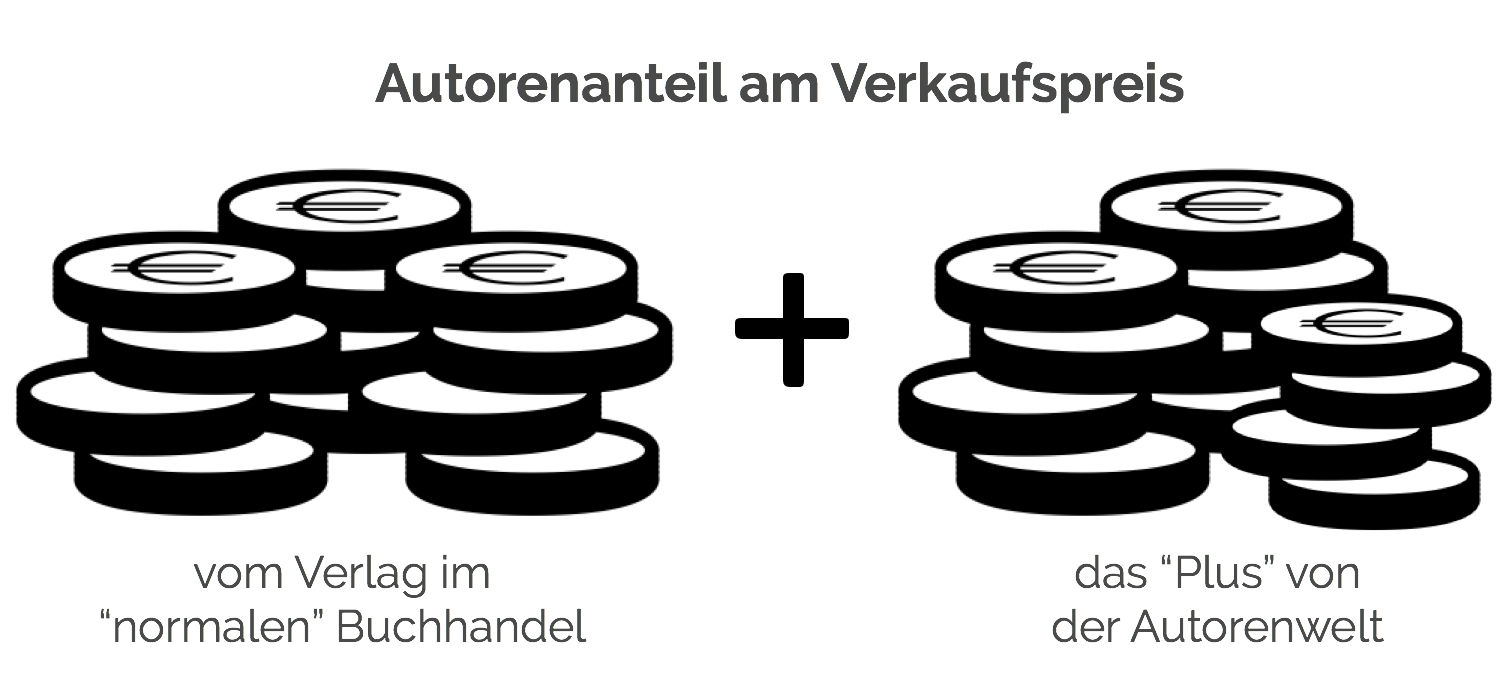
Autorenfreundlich Bücher kaufen?!
Beschreibung
Implantable defibrillators as originally conceived by Michel Mirowski were limited to the detection and automatic termination of ventricular fibrillation. In the original "AID" device, the detection algoritlun sought to distinguish sinus rhytlun from ventricular fibrillation by identifying the "more sinusoidal waveform of ventricular fibrillation. " The therapeutic intervention was elicited only once deadly polymorphic rhythms had developed. It was rapidly learned, however, that ventricular fibrillation is usually preceded by ventricular tachycardia. Mirowski recognized the pivotal importance of developing algoritllms based on heart rate. Ventricular tachycardia detection allowed the successful development of interventions for the termination of ventricular tachyarrhythmias before they degenerated into ventricular fibrillation. Current device therapy no longer confines itself to tlle termination of chaotic rhythms but seeks to prevent them. Diagnostic algorithms moved upward along the chain of events leading to catastrophic rhytlulls. Rate smoothing algorithms were developed to prevent postextrasystolic pauses from triggering ventricular and atrial tachyarrhytlmlias. Beyond the renaissance of ectopy-centered strategies, long-term prevention received increasing attention. Multisite pacing therapies provided by "Arrhythmia Management Devices" were designed to reduce the "arrhytlunia burden" and optimize the synergy of cardiac contraction and relaxation. Clinical evidence now suggests that atrial fibrillation prevention by pacing is feasible and tllat biventricular pacing may be of benefit in selected patients with heart failure. However, these applications of device therapy that generally require ventricular defibrillation backup remain investigational and were not considered in this book.
Details
| Verlag | Springer US |
| Ersterscheinung | 31. August 2002 |
| Maße | 23.5 cm x 15.5 cm |
| Gewicht | 1720 Gramm |
| Format | Hardcover |
| ISBN-13 | 9781402071430 |
| Auflage | 2002 |
| Seiten | 410 |
Schlagwörter
Bekannt durch