
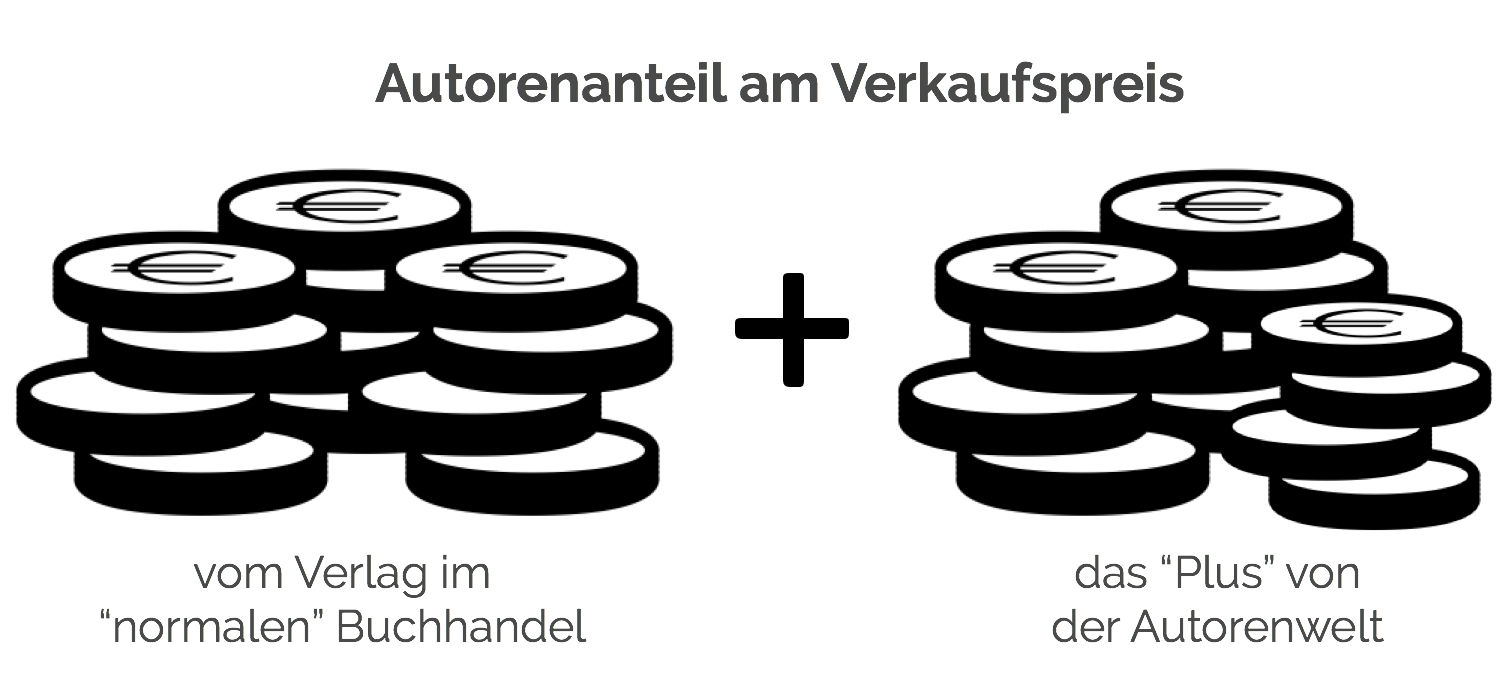
Autorenfreundlich Bücher kaufen?!
Beschreibung
Seminar paper from the year 2019 in the subject Theater Studies, Dance, grade: 1,7, Free University of Berlin, language: English, abstract: Nowadays, if we ask an Indonesian about ludruk, most of them would assume that ludruk as one of the traditional art performances. After the Indonesian independence, particularly during the Soeharto period, ludruk is apparently "retreated" became traditional theatre. Before that, ludruk was an art performance that finds its way to modernization. The researchers admit that during colonialism, ludruk in Surabaya, East Java, Indonesia, was a part of "the culture of modern society". This study analyzes ludruk in the colonialism era, particularly the transition from the Dutch to the Japanese colonialism in Indonesia, since, ludruk could reach its peak of development at that time. Ludruk no longer holds its ritual values, even it evolves from an entertainment to a performance that served as a political movement.
This study is based on several articles, journals, essays, dissertations, and books. Art and culture in the Indonesian archipelago have been researched quite a lot, not only by Indonesian scholars but also by foreign researchers. Ludruk itself has been also widely researched. James L. Peacock (1968) in his book Rites of modernization studies widely about ludruk. His research focuses on ludruk in the pra-Soeharto era. Another source is a study about religion in Java by Geertz (1959). His study focuses on the Javanese ritual ceremony¿slametan. He also mentions that ludruk, like any other the Javanese theatrical forms, is based on the religious ritual ceremony. Another interesting source is from J. Ras (1979) Javanese literature since independence. It is a collection of articles in Javanese languages. One of its articles reported a chronologically ludruk history and its developing, which is written by Ki Soemadji Adjiwongsokoesoemo.
Details
| Verlag | GRIN Verlag |
| Ersterscheinung | 08. September 2020 |
| Maße | 21 cm x 14.8 cm x 0.3 cm |
| Gewicht | 56 Gramm |
| Format | Softcover |
| ISBN-13 | 9783346239396 |
| Auflage | 1. Auflage |
| Seiten | 28 |
Schlagwörter
Bekannt durch