
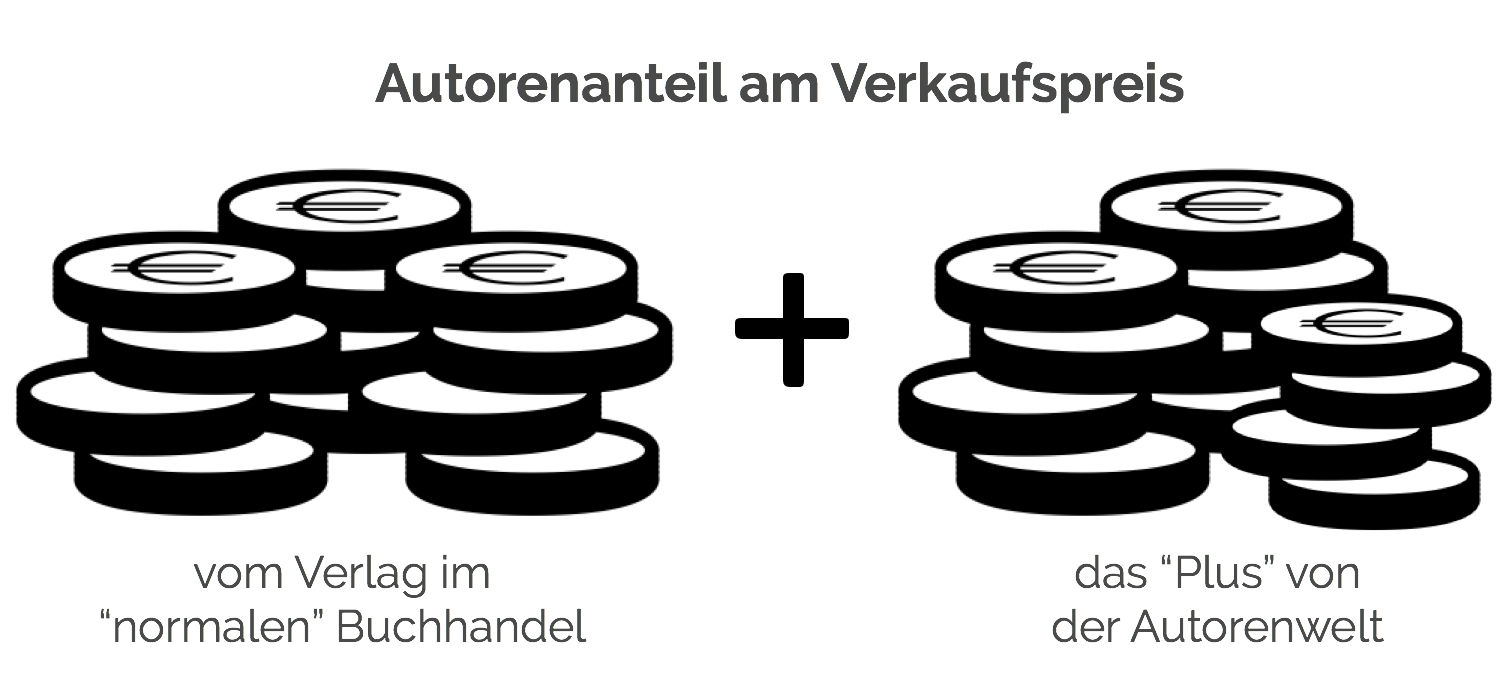
Autorenfreundlich Bücher kaufen?!
Beschreibung
Research Paper (postgraduate) from the year 2011 in the subject Politics - Region: Africa, grade: 1,7, University of Hamburg, course: MSc Entrepreneurship, language: English, abstract: The following paper will indicate the interventions taken by the Zambian government in the Zambian maize sector. The agricultural sector in Zambia makes up 20 percent of the country¿s GDP, employs 67 percent of Zambiäs total labor force and is the main source of livelihood for poor people in Zambia (Dixon et. al. 2001). The agricultural contribution to the GDP is mainly attributed by rural small-scale farmers who make up 90 percent of all Zambian farmers and own nearly about two thirds of the agricultural land (OECD 2009). More than 70 percent of the entire agricultural area planted is under maize. Since agriculture contributes to the GDP to such a great extend and maize is by far the greatest crop planted, the performance of the maize sector is a very decisive indicator of how well Zambia is economically doing. Further, poverty is mainly existent in rural areas and as rural small-scale farmers make up almost the entire output of maize, maize is thus also an important indicator of rural poverty. The maize sector is at the same time the most deregulated sector in Zambia with a deregulation percentage of greater than 80 percent. Maize policies affect a large percentage of the population and policies can and are used to provide the government with strategic advantages for self-interest independent of whether such policies have a positive impact on the in highly poverty living rural population. This research paper will first examine in section two how maize became such a powerful crop by looking back into Zambian history. Section three will explain the deregulation policies that are currently in place in detail before section four will give an outlook into the future where the maize sector is heading to, accompanied with suggestion in how the maize sector must change in order to contribute to poverty reduction on a sustainable base. Section five will summaries and conclude this report.
Details
| Verlag | GRIN Verlag |
| Ersterscheinung | 30. April 2011 |
| Maße | 21 cm x 14.8 cm x 0.3 cm |
| Gewicht | 51 Gramm |
| Format | Softcover |
| ISBN-13 | 9783640902545 |
| Auflage | 3. Auflage |
| Seiten | 24 |
Schlagwörter
Bekannt durch