

Weitere Formate
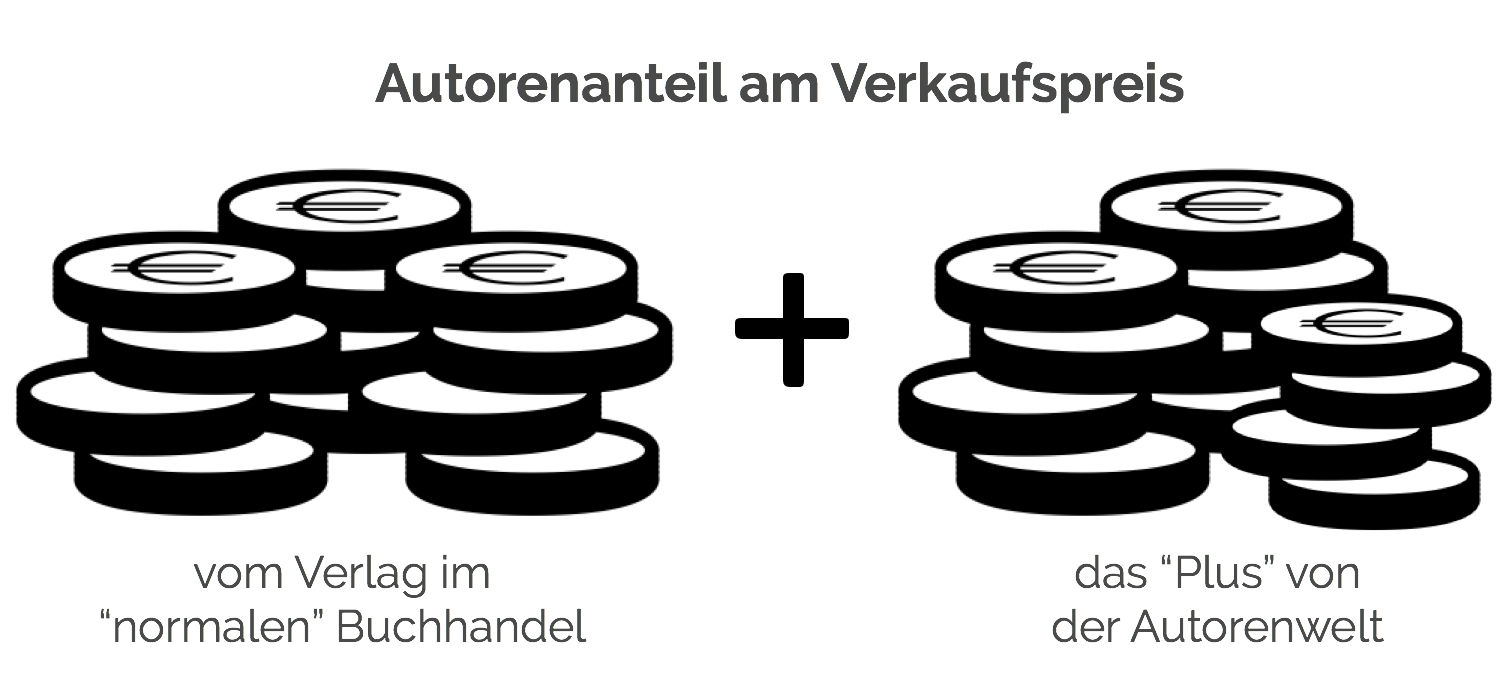
Autorenfreundlich Bücher kaufen?!
Beschreibung
1 An introduction to high-level nuclear waste and the concept of geological disposal.- 1.1 Classification of nuclear waste.- 1.2 Origin of class I and II wastes.- 1.3 Amounts of waste involved.- 1.4 The nature of HLW and SURF.- 1.5 The need for containment.- 1.6 The concept of geological disposal of radioactive wastes.- 1.7 Criteria for a HLW geological repository.- 1.8 Non-geological methods of HLW disposal.- 1.9 Conclusions.- 2 The suitability of evaporites as HLW repositories.- 2.1 Introduction.- 2.2 Mineralogy and variability of evaporites.- 2.3 Physical properties of evaporites.- 2.4 Fluid inclusions in evaporites.- 2.5 Hydrogeology of evaporites.- 2.6 The rate of movement of salt diapirs.- 2.7 The effects of radiation on salt.- 2.8 Conclusions with respect to evaporites.- 3 The suitability of crystalline rocks as HLW repositories.- 3.1 Introduction.- 3.2 Mineralogy of granitic rocks.- 3.3 Physical and chemical properties of granites.- 3.4 The hydrogeology of granites.- 3.5 Effects of radiation on crystalline rock.- 3.6 Basalts.- 3.7 Tuffaceous rocks.- 3.8 Conclusions with respect to granitic and other crystalline rocks.- 4 The suitability of argillaceous rocks as HLW repositories.- 4.1 Introduction.- 4.2 Origin and composition of argillaceous rocks.- 4.3 The effect of heat on argillaceous rocks.- 4.4 The hydrogeology of clays.- 4.5 The ability of clays to retard the passage of radionuclides.- 4.6 Conclusions with respect to argillaceous rocks.- 5 The containment of radionuclides within repositories.- 5.1 The major physicochemical processes involved in radionuclide retardation.- 5.2 The study of natural analogues.- 5.3 Stabilizing waste forms.- 5.4 The waste canister.- 5.5 Buffer and backfill materials.- 5.6 Conclusions.- 6 Repository options, design and construction.- 6.1 Introduction.- 6.2 Repository site selection guidelines.- 6.3 Thermal loading in repositories.- 6.4 Subsurface excavation.- 6.5 Geothermal gradients.- 6.6 Examples of repositories.- 6.7 Backfilling and sealing repositories.- 7 Seabed disposal of high-level radioactive waste.- 7.1 Introduction.- 7.2 The London Dumping Convention.- 7.3 Criteria for the selection of seabed disposal sites.- 7.4 Sites under consideration for seabed disposal.- 7.5 The nature of the seabed sediments.- 7.6 Emplacement techniques.- 7.7 The waste form and the canister.- 7.8 Thermal effects on the sediment.- 7.9 The sediment as a barrier to radionuclide migration.- 7.10 The transportation of radionuclides from the seabed-water interface to the food chain.- 8 Groundwater and its movement.- 8.1 Introduction.- 8.2 The nature of groundwater and its ability to dissolve geochemical material and radionuclides.- 8.3 Movement of groundwater.- 8.4 Problems in defining the relevant hydrogeological parameters.- 8.5 Conclusions.- 9 Risk assessment and release scenarios for rock repositories.- 9.1 Introduction.- 9.2 Approaches to release scenarios and risk assessment.- 9.3 A time scale for predictions.- 9.4 Examples of generic and site-specific release scenarios.- 9.5 Conclusions regarding release scenarios and risk analysis.- References.
An introduction
An introduction
Details
| Verlag | Springer Netherland |
| Ersterscheinung | 25. Dezember 2011 |
| Maße | 23.5 cm x 15.5 cm |
| Gewicht | 371 Gramm |
| Format | Softcover |
| ISBN-13 | 9789401076777 |
| Auflage | 1987 |
| Seiten | 230 |
Schlagwörter
Bekannt durch