
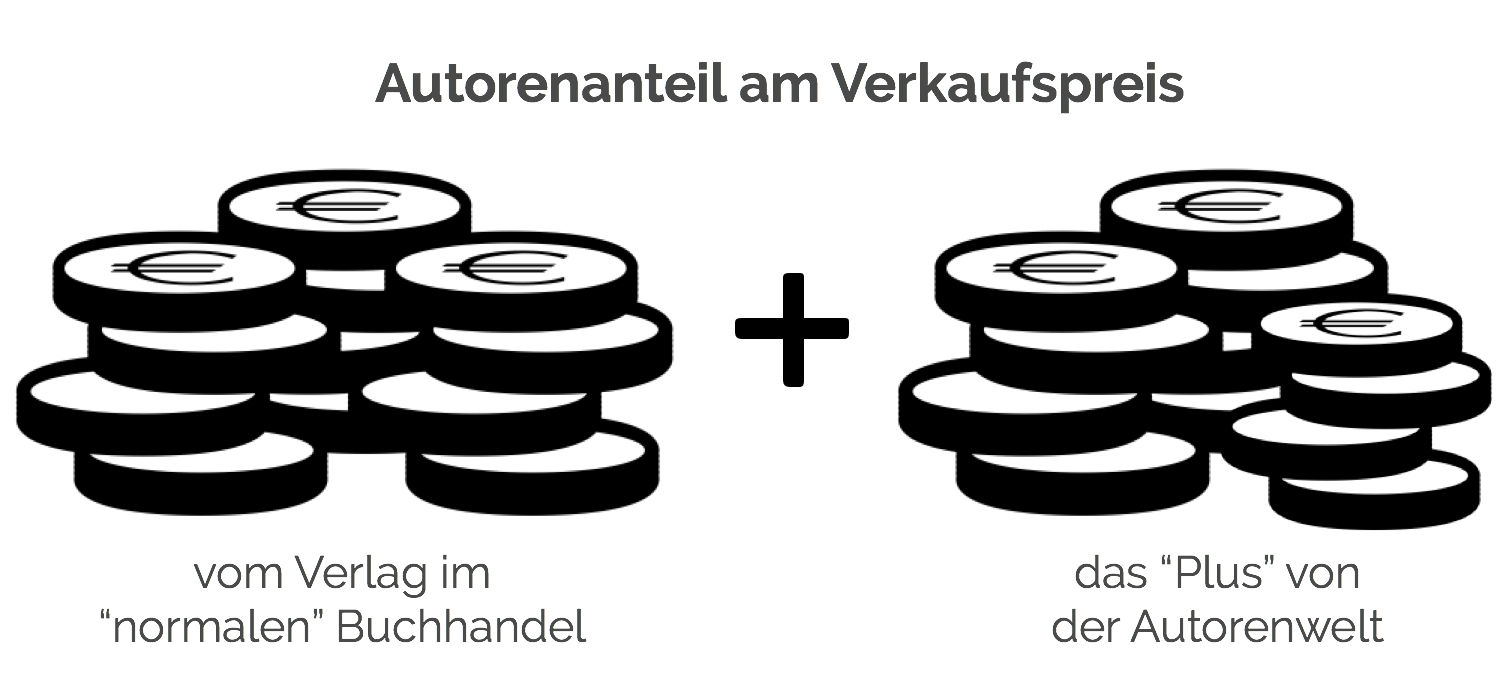
Autorenfreundlich Bücher kaufen?!
Beschreibung
Master's Thesis from the year 2011 in the subject Business economics - Business Management, Corporate Governance, grade: 1,0, Maastricht University, course: Strategy and Innovation, language: English, abstract: Changes in the competitive environment, globalization and the fast technological
innovation rate of today have called for a shift in the corporate mindset of industrial
firms. The traditional closed model of research and development (R&D) inside the
firms¿ boundaries, which optimally ends with a regular commercialization of the
invented product, has increasingly been challenged (Chesbrough, 2003). The
emerged concept of the open innovation paradigm comprises corporate activities of
either acquiring external knowledge or exploiting internal knowledge besides the
traditional ways of product commercialization. The latter refers to knowledge exploitation
or more specifically to external technology commercialization (ETC)
(Lichtenthaler & Ernst, 2007) and represents the core field of this study.
The increased interest in ETC across industries is a trend stemming from industrial
and managerial practice rather than from theory (Lichtenthaler, 2010a). However,
more and more contributions put their focus on the concept of external knowledge
exploitation and its implications (e.g. Fosfuri, 2006; Gassmann & Enkel, 2004;
Lichtenthaler, 2005, 2010b). Most of these studies either generally discuss the ETC
particularities or specifically examine licensing strategies as means of ETC and their
corporate impact. It has been argued that besides the purely financial aspects firms
have different motives for engaging in knowledge exploitation activities, such as the
access to another company¿s technology portfolio (Rivette & Kline, 1999), the identification
of intellectual property infringements (Koruna, 2004) or the increase in
speed of the R&D activities by realized learning effects (Lichtenthaler & Ernst,
2007). This case study concentrates on a firm¿s surroundings which affect the strategic
ETC decision from two dimensions. First, extrinsic factors which lay beyond
managerial reach, such as the industry in which the organization operates. Second,
intrinsic, strategic factors like the management of R&D activities as well as the steering
of a dedicated ETC unit are investigated.
By scrutinizing contemporary theory on open innovation, external technology commercialization
and firm characteristics, a conceptual framework will be created
which will be later challenged against the findings of a case study analysis in a large
diversified conglomerate.
A Case Study Approach at a Diversified Industrial Firm
Details
| Verlag | GRIN Verlag |
| Ersterscheinung | 24. März 2012 |
| Maße | 21 cm x 14.8 cm x 0.6 cm |
| Gewicht | 118 Gramm |
| Format | Softcover |
| ISBN-13 | 9783656157731 |
| Auflage | 3. Auflage |
| Seiten | 72 |
Schlagwörter
Bekannt durch