
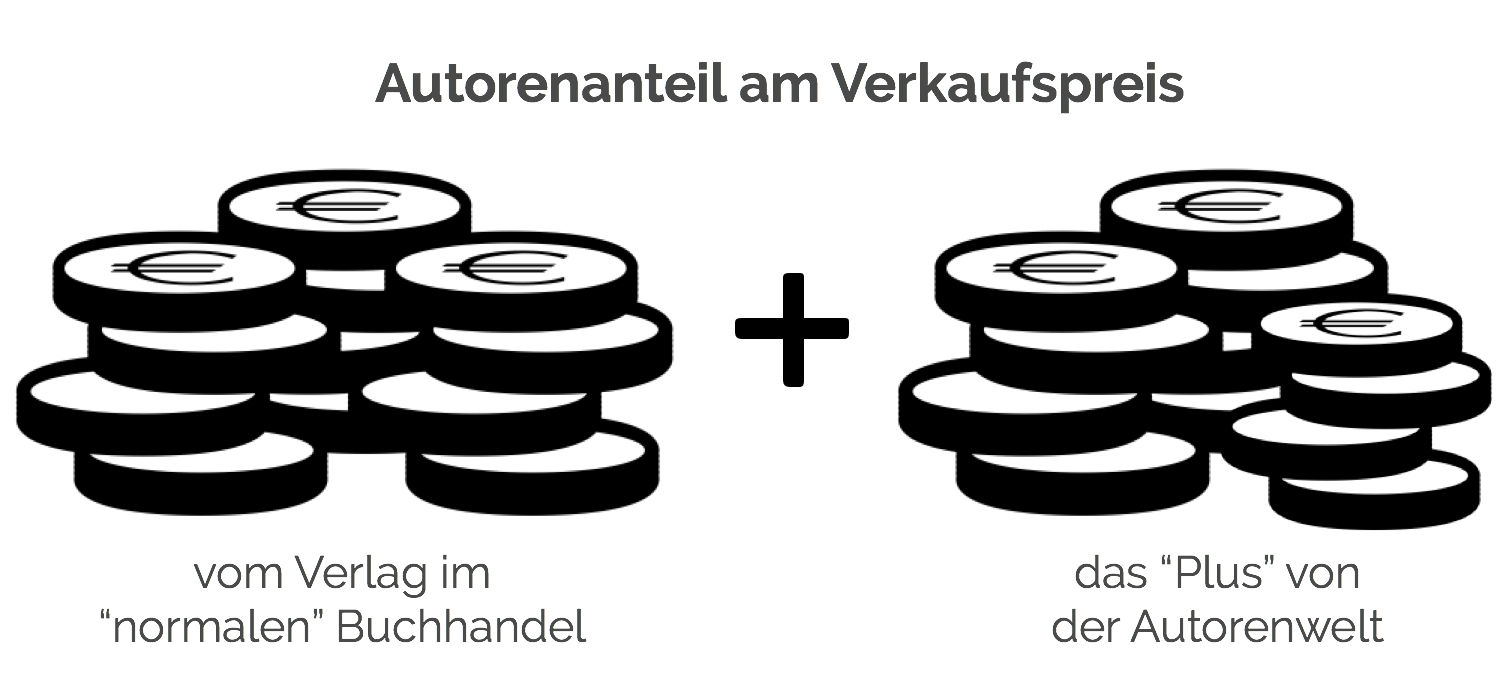
Autorenfreundlich Bücher kaufen?!
Beschreibung
Inhaltsangabe:Abstract:
The project aim was to a built a robot, controlled by a PIC microcontroller to follow a line completely autonomously and as quickly as possible. The robot meets the requirements from the ?RoboRama Contest?, followed a T-shape course, and obtained more (safety) features. Different kinds of design features and digital algorithms were developed and tested, in order to achieve the best results.
Applied project management techniques and used key skills, guaranteed the successful completion of the project, in the design and construction of hardware and software technologies.
The hardware was based on a block structure with infrared sensors at the front of the vehicle. Their analogue signals were transferred to digital logic with a comparator. This information used a PIC 16F84A microcontroller to control the movement and direction of the robot with pulse width modulation (PWM). All parts were mounted on a chassis, implemented with a mechanical construction set. Batteries of 9V provided the necessary power supply.
Adjustments were done through iterative steps, to come to the final result of the robot system. The main adapted design feature was the motor and steering system. First of all a separate servomotor for the steering and a single DC motor for the forward movement was fixed. Through implemented and first testing steps, this resolution lacked the required performance. Hence, the design changed to two DC motors, which offered a satisfactory solution.
The electronic circuit was designed with the computer aided design tool Proteus and executed as a strip line board.
The software algorithm development started with the truth table to reduce the possible events from thirty-two to the eleven applied conditions. The generated flowchart gave the program a structure and applied the truth table decision in different PWM generations. Finally, the software was written in assembler language and implemented on the PIC.
Inhaltsverzeichnis:Table of Contents:
iTitlei
iiAbstractii
iiiAcknowledgementsiii
ivList of Figuresiv
vList of Tablesvi
viList of Abbreviationsvii
viiList of Symbolsix
viiiTable of Contentsx
1.Introduction1
1.1Project Aims2
1.2RoboRama Rules2
2.Specification and Analysis5
2.1Specification of the project5
2.1.1Research and definition for the project5
2.1.2Resources management7
2.2Project time plan8
3.Design of the robot9
3.1Design of the electronic hardware11
3.1.1Sensors OPD 70911
3.1.2Comparator [¿]
Details
| Verlag | Diplom.de |
| Ersterscheinung | 09. Dezember 2003 |
| Maße | 21 cm x 14.8 cm x 1 cm |
| Gewicht | 208 Gramm |
| Format | Softcover |
| ISBN-13 | 9783838675121 |
| Auflage | 4. Auflage |
| Seiten | 136 |
Schlagwörter
Bekannt durch