
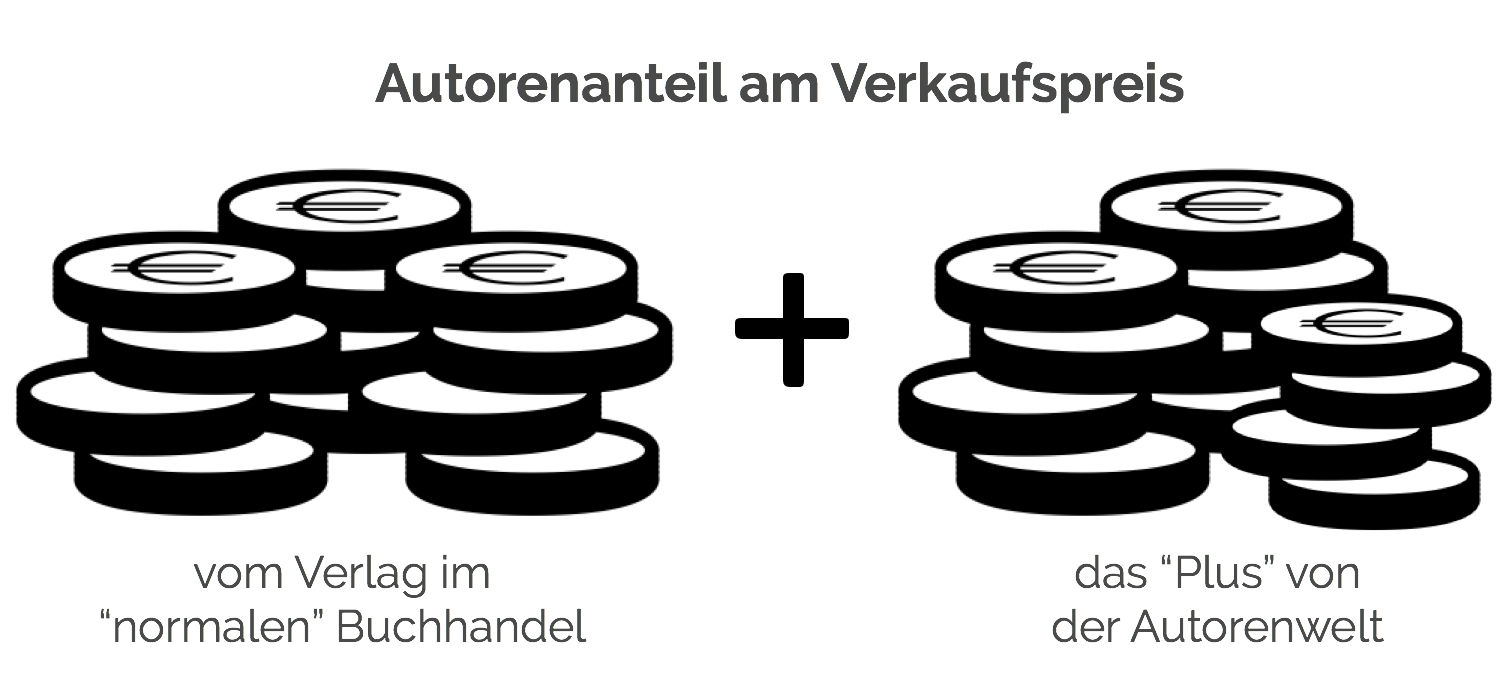
Autorenfreundlich Bücher kaufen?!
Beschreibung
Source: Wikipedia. Pages: 46. Chapters: Active solar, Annualized geo solar, Central solar heating, Cool roof, Daylighting, Earthship, Heliotrope (building), Lightwell, Light tube, Passive house, Pennyland project, PlusEnergy, Roof lantern, Solar 1, Solar air conditioning, Solar air heat, Solar Ark, Solar chimney, Solar Decathlon, Solar Settlement, Solar shingles, Solar tree, Sun Ship (building), TRNSYS, Trombe wall. Excerpt: The term passive house (Passivhaus in German) refers to the rigorous, voluntary, Passivhaus standard for energy efficiency in a building, reducing its ecological footprint. It results in ultra-low energy buildings that require little energy for space heating or cooling. A similar standard, MINERGIE-P, is used in Switzerland. The standard is not confined to residential properties; several office buildings, schools, kindergartens and a supermarket have also been constructed to the standard. Passive design is not an attachment or supplement to architectural design, but a design process that is integrated with architectural design. Although it is mostly applied to new buildings, it has also been used for refurbishments. Estimates of the number of Passivhaus buildings around the world in late 2008 ranged from 15,000 to 20,000 structures. As of August 2010, there were approximately 25,000 such certified structures of all types in Europe, while in the United States there were only 13, with a few dozens more under construction. The vast majority of passive structures have been built in German-speaking countries and Scandinavia. The Passivhaus standard originated from a conversation in May 1988 between Professors Bo Adamson of Lund University, Sweden, and Wolfgang Feist of the Institut für Wohnen und Umwelt (Institute for Housing and the Environment, Germany). Their concept was developed through a number of research projects, aided by financial assistance from the German state of Hessen. The eventual building of four row houses (terraced houses or town homes), was designed for four private clients by the architectural firm of professors Bott, Ridder and Westermeyer. The first Passivhaus residences were built in Darmstadt, Germany in 1990, and occupied by the clients the following year. In September 1996 the Passivhaus-Institut was founded, also in Darmstadt, to promote and control the standards. Since then, thousands of Passivhaus structures have been built, to an estimated
Details
| Verlag | Books LLC, Reference Series |
| Ersterscheinung | Oktober 2020 |
| Maße | 24.6 cm x 18.9 cm x 0.4 cm |
| Gewicht | 111 Gramm |
| Format | Softcover |
| ISBN-13 | 9781156677964 |
| Seiten | 46 |
Schlagwörter
Bekannt durch