
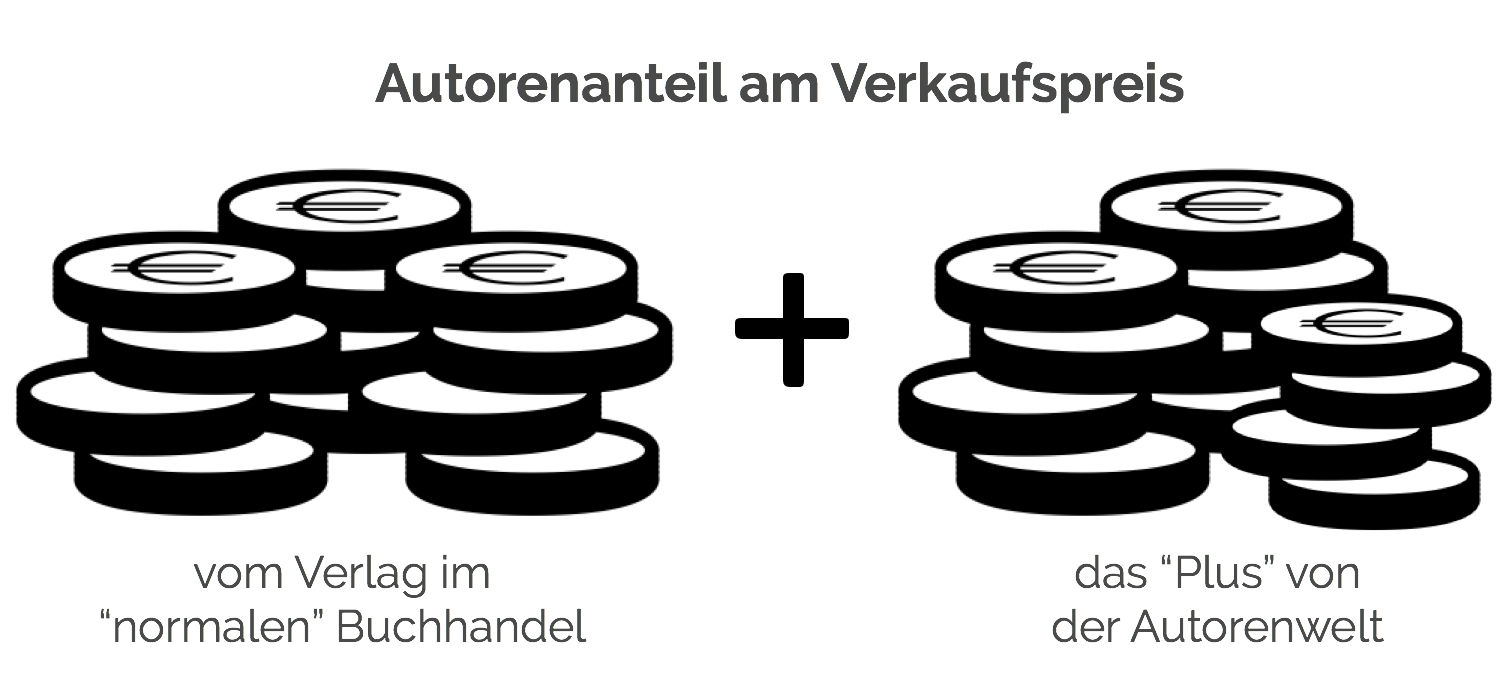
Autorenfreundlich Bücher kaufen?!
Beschreibung
Source: Wikipedia. Pages: 54. Chapters: Solution mining, Surface mining, Underground mining, Underwater mining, Copper extraction techniques, Asteroid mining, Open-pit mining, Hydraulic mining, Longwall mining, Hushing, Manganese nodule, Biomining, Placer mining, Surface Mining Control and Reclamation Act of 1977, Fire-setting, In-situ leach, Adit, Hoist, Landfill mining, Sand mining, Headframe, Stoping, Overburden Conveyor Bridge F60, Quarry, Room and pillar, Gold placer claim, Quartz reef mining, Shaft mining, Spoil bank, Through the earth mine communications, High grading, Underground mine ventilation, Ninja miner, Borehole mining, Drift mining, Raise borer, Retreat mining, Salt well, Salt-concrete, Whim, Winning the clay, Gravel pit, Clay pit, Glory hole, Winze, Mantrip, Stripping ratio, Drywasher, Sulfide mining, Cross brace, Box cut, Slope mining, Costean, Rib pillar, Engine shaft. Excerpt: Copper extraction techniques refers to the methods for obtaining copper from its ores. This conversion consists of a series of chemical, physical, and electrochemical processes. Methods have evolved and vary with country depending on the ore source, local environmental regulations, and other factors. As in all mining operations, the ore must usually be beneficiated (concentrated). To do this, the ore is crushed Then it must be roasted to convert sulfides to oxides, which are smelted to produce matte. Finally, it undergoes various refining processes, the final one being electrolytic. For economic and environmental reasons, many of the byproducts of extraction are reclaimed. Sulfur dioxide gas, for example, is captured and turned into sulfuric acid ¿ which is then used in the extraction process. Most copper ores contain only a small percentage of copper metal bound up within valuable ore minerals, with the remainder of the ore being unwanted rock or gangue minerals, typically silicate minerals or oxide minerals for which there is often no value. The average grade of copper ores in the 21st century is below 0.6% Cu, with a proportion of ore minerals being less than 2% of the total volume of the ore rock. A key objective in the metallurgical treatment of any ore is the separation of ore minerals from gangue minerals within the rock. The first stage of any process within a metallurgical treatment circuit is comminution, where the rock is crushed to produce to produce small particles (<100 µm) consisting of individual mineral phases. These particles are then separated to remove gangue, thereafter followed by a process of physical liberation of the ore minerals from the rock. The process of liberation of copper ores depends upon whether they are oxide or sulfide ores. Subsequent steps depends on the nature of the ore containing the copper. For oxide ores, a hydrometallurgical liberation process is normally undertaken, which uses the soluble nature of the ore minerals to
Solution mining, Surface mining, Underground mining, Underwater mining, Copper extraction techniques, Asteroid mining, Open-pit mining, Hydraulic mining, Longwall mining, Hushing, Manganese nodule, Biomining, Placer mining
Details
| Verlag | Books LLC, Reference Series |
| Ersterscheinung | Februar 2012 |
| Maße | 24.6 cm x 18.9 cm x 0.4 cm |
| Gewicht | 126 Gramm |
| Format | Softcover |
| ISBN-13 | 9781156537268 |
| Seiten | 54 |
Schlagwörter
Bekannt durch