
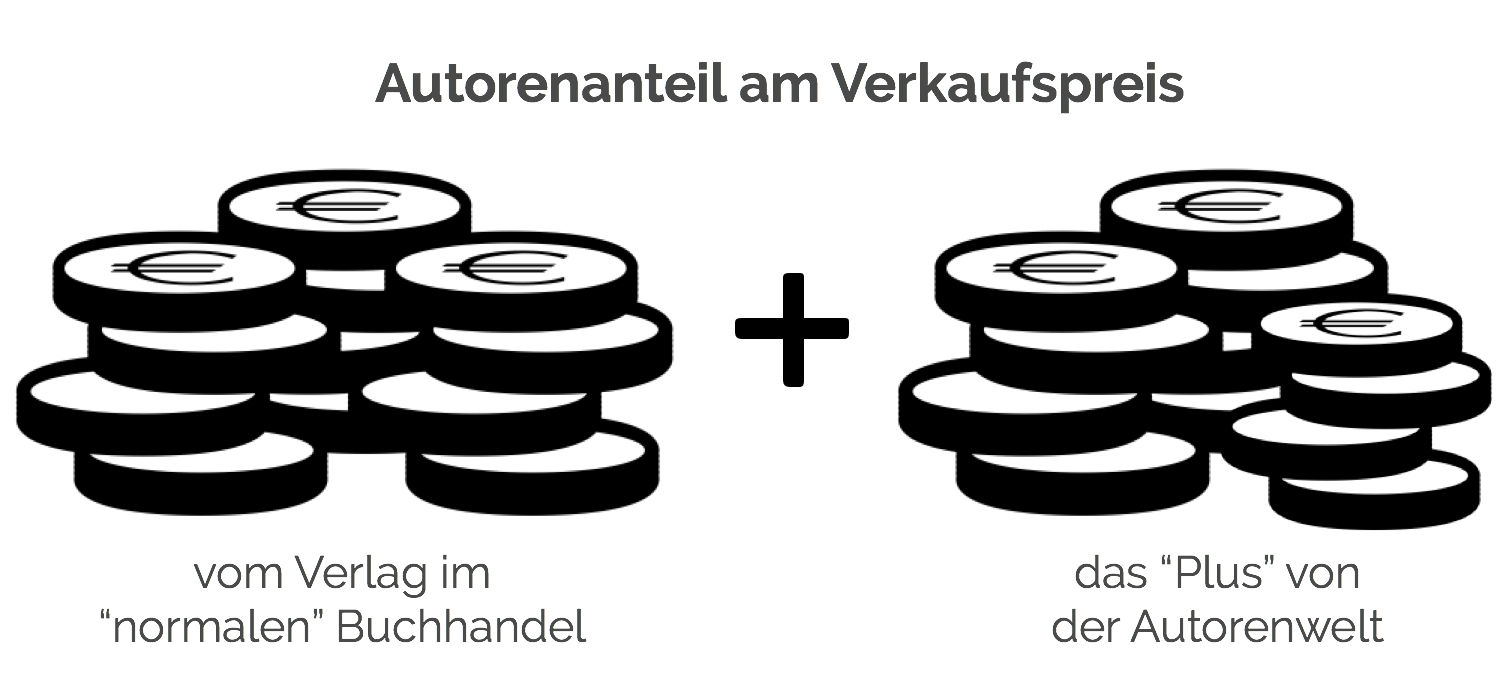
Autorenfreundlich Bücher kaufen?!
Beschreibung
Managed realignment has been a preferred coastal management strategy in England in the 21st century and has also been increasingly implemented elsewhere. Climate change and environmental and financial concerns have led to a shift from the traditional ‘hold-the-line’ approach of coastal protection towards more flexible soft engineering options. Managed realignment is a relatively new soft engineering alternative aiming to provide sustainable flood risk management with added environmental and socio-economic benefits by creating space for coastal habitats to develop more dynamically. The natural adaptive capacity of coastal habitats and the ecosystem services they provide underpin the sustainability of managed realignment. However, many definitions of managed realignment exist and the understanding of what the term actually represents in practice has evolved through time and varies regionally. This book clarifies the definitions and terminology used in the literature and proposes that managed realignment is used as a general term that encompasses the many different methods of implementation worldwide, including: removal, breach and realignment of defences; controlled tidal restoration (which includes regulated tidal exchange and controlled reduced tide); and managed retreat. These methods of implementation are explained and illustrated with examples from around the world. In addition to a general overview of emerging policies and current practices, specific chapters discuss approaches adopted in different locations, including the Netherlands, the UK and Maui (USA). The UK experience is presented from the perspectives of three sectors: the National Trust (a charity organisation that owns 10% of the coastline of England and Wales), the Environment Agency (the organisation responsible for implementing government policy concerning flood and erosion risk) and a private consultant involved in the planning, design and delivery of managed realignmentprojects. Taking a wider perspective to consider the range of implementation methods, the viability of managed realignment as a long-term coastal management strategy is discussed. Recent national and regional strategies worldwide give managed realignment an increasing role in climate change and flood risk management. Gaining stakeholders and public support is fundamental for the success of emerging coastal management strategies. However, public perception and stakeholders engagement are often cited as a factor limiting the wider uptake of managed realignment. Results from a recent survey are used to benchmark the current thinking about the potential, the performance and the limitations of managed realignment in the UK and elsewhere. Current opinions about managed realignment are often not clearly defined, partly due to many projects being relatively recent. There is a general perception of great potential to provide sustainable flood risk management with added environmental benefits. However, the views of stakeholders are considerably more negative and notably contrast with the views of practitioners and researchers. The only clear and dominant agreement across all groups of respondents is that better understanding about the long-term evolution of sites is needed.
Details
| Verlag | Springer Netherland |
| Ersterscheinung | 31. Juli 2014 |
| Maße | 23.5 cm x 15.5 cm |
| Gewicht | 260 Gramm |
| Format | Softcover |
| ISBN-13 | 9789401790284 |
| Seiten | 139 |
Schlagwörter
Herstellerinformationen
Bekannt durch