
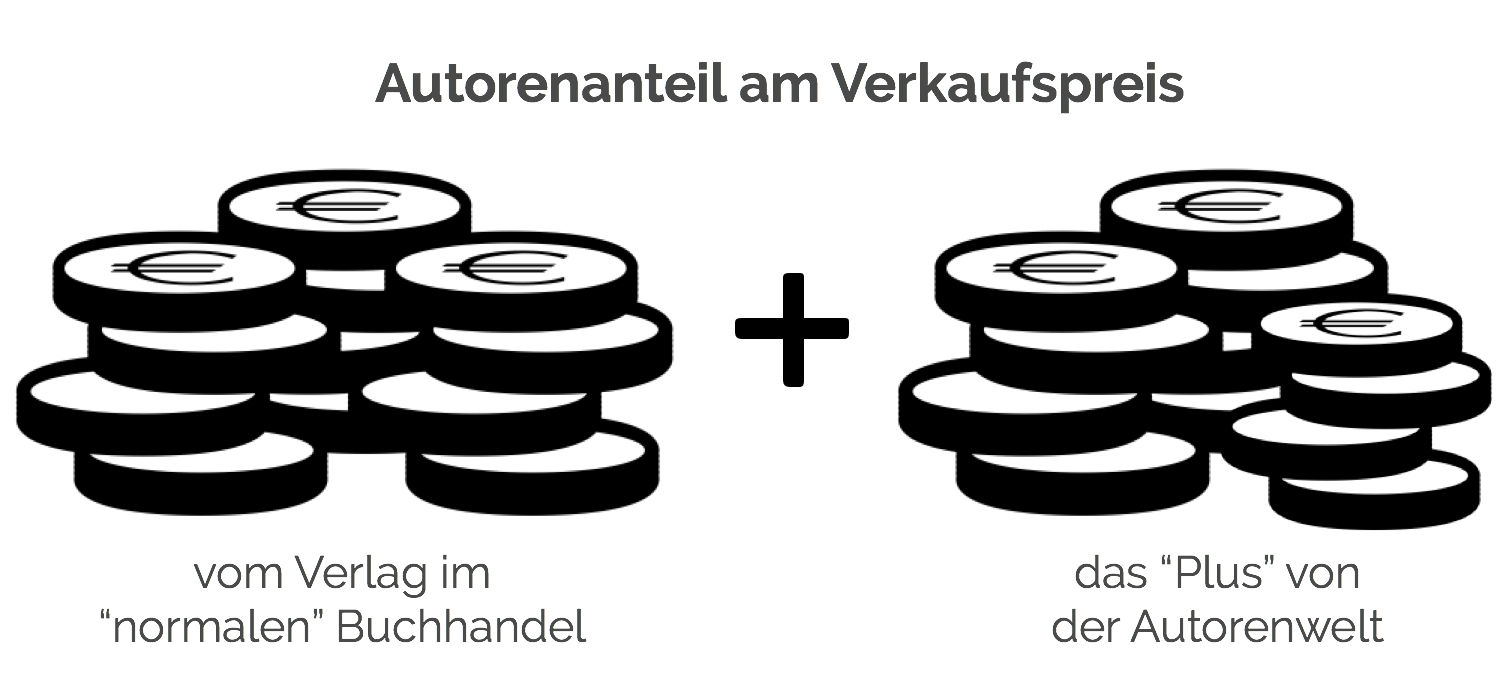
Autorenfreundlich Bücher kaufen?!
Beschreibung
Source: Wikipedia. Pages: 25. Chapters: Inuit languages, Greenlandic language, Inuit grammar, Inuktitut, Inuit phonology, Inuvialuk language, Inuinnaq dialect, Inuktitut syllabics, Nunatsiavummiut dialect, Utkuhiksalik dialect, Natsilik dialect, Inuktun language, Inuit Tapiriit Kanatami, Siglit dialect, Kangiryuarmiut dialect, Inuktitut writing, Inuit Sign Language. Excerpt: Greenlandic is an EskimöAleut language spoken by about 57,000 people in Greenland and Denmark. It is closely related to the Inuit languages in Canada, such as Inuktitut. The main dialect, Kalaallisut or West Greenlandic, has been the official language of the Greenlandic autonomous territory since June 2009; this is a move by the Greenlandic government to strengthen the language in its competition with the colonial language, Danish. Other dialects are East Greenlandic (Tunumiisut) and the Thule dialect Inuktun or Polar Eskimo. Greenlandic is a polysynthetic language that allows the creation of long words by stringing together roots and suffixes. Its morphosyntactic alignment is ergative, meaning that it treats (i.e., case-marks) the argument ("subject") of an intransitive verb like the object of a transitive verb, but distinctly from the agent ("subject") of a transitive verb. Nouns are inflected for one of the eight cases and for possession. Verbs are inflected for one of the eight moods and for the number and person of its subject and object. Both nouns and verbs have complex derivational morphology. Basic word order in transitive clauses is subject¿object¿verb. Subordination of clauses is done by the use of special subordinate moods. A so-called fourth person category enables switch reference between main clauses and subordinate clauses with different subjects. Greenlandic is notable for its lack of a system of grammatical tense, as temporal relations are normally expressed through context, through the use of temporal particles such as "yesterday" or "now" or sometimes through the use of derivational suffixes or the combination of affixes with aspectual meanings with the semantic aktionsart of different verbs. However, some linguists have suggested that Greenlandic does mark future tense obligatorily. Another question is whether the language has Noun incorporation, or whether the processes that create complex predicates that include nominal roots are derivational
Inuit languages, Greenlandic language, Inuit grammar, Inuktitut, Inuit phonology, Inuvialuk language, Inuinnaq dialect, Inuktitut syllabics, Nunatsiavummiut dialect, Utkuhiksalik dialect, Natsilik dialect, Inuktun language
Details
| Verlag | Books LLC, Reference Series |
| Ersterscheinung | Januar 2014 |
| Maße | 24.6 cm x 18.9 cm x 0.2 cm |
| Gewicht | 74 Gramm |
| Format | Softcover |
| ISBN-13 | 9781157604686 |
| Seiten | 26 |
Schlagwörter
Bekannt durch