
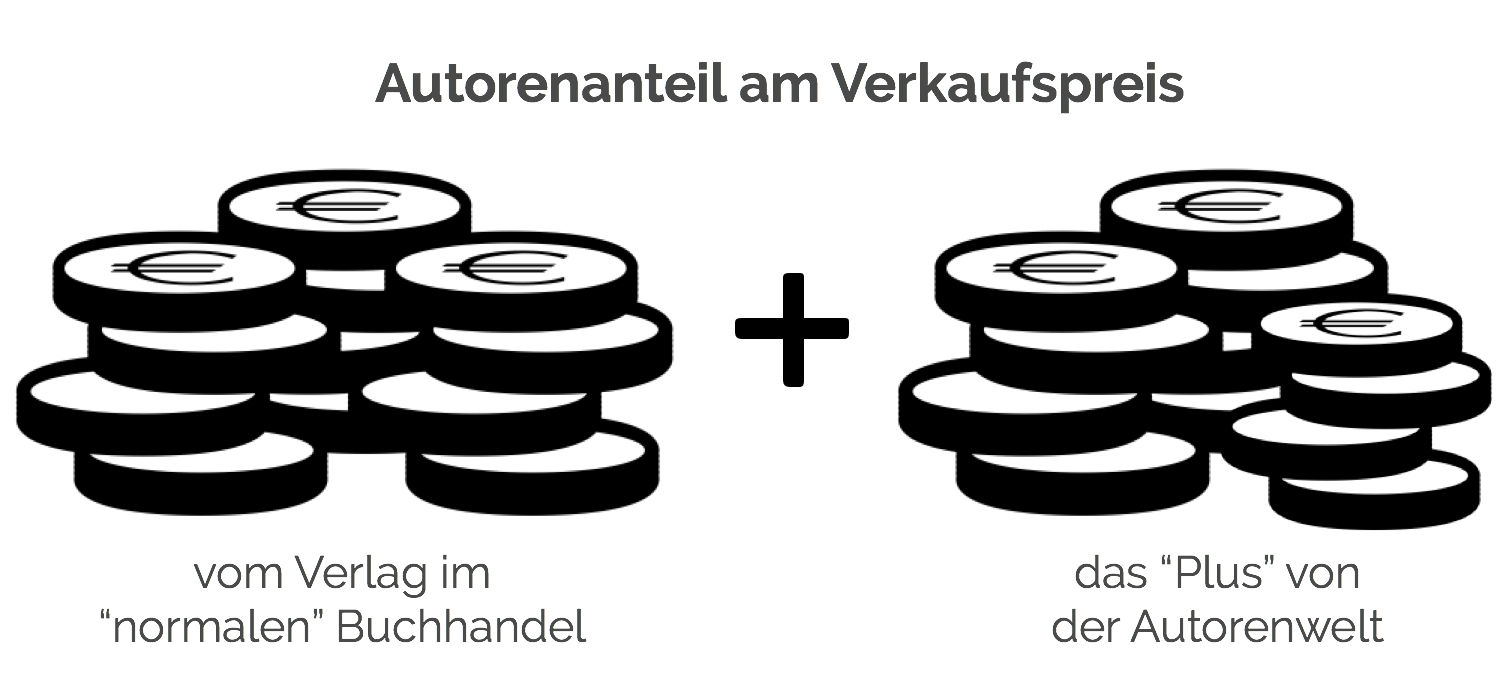
Autorenfreundlich Bücher kaufen?!
Beschreibung
Source: Wikipedia. Pages: 127. Chapters: Italian fascist architecture, Nazi architecture, Portuguese New State architecture, Albert Speer, Atlantic Wall, Berghof, Kehlsteinhaus, Glücksgas Stadium, Berlin Tempelhof Airport, Wewelsburg, Rudolf Wolters, Olympic Stadium, RAF Gatow, Nazi party rally grounds, Museo Nazionale della Magna Grecia, Führer Headquarters, Reich Chancellery, Arno Breker, Via della Conciliazione, Volkshalle, San Siro, Flak tower, Qemal Stafa Stadium, Neu Drontheim, 25 de Abril Bridge, Instituto Superior Técnico, Ordensburg Vogelsang, Welthauptstadt Germania, Pabst Plan, Estádio Nacional, Documentation Center Nazi Party Rally Grounds, Deutsches Stadion, Vittoriale degli italiani, Fritz Todt, McGraw Kaserne, Detlev-Rohwedder-Haus, Paul Troost, Padrão dos Descobrimentos, Geibeltbad Pirna, Palazzo della Civiltà Italiana, Prora, Fort Hommet 10.5 cm Coastal Defence Gun Casement Bunker, Ruin value, Kleines Berlin, Ernst Sagebiel, Sacro Cuore di Cristo Re, EUR, Rome, Ehrentempel, Soft Portuguese style, Hochschule für Musik und Theater München, Paul Schultze-Naumburg, Haus der Kunst, Ordensburg Krössinsee, Presidential Palace of Tirana, German Bestelmeyer, West Wall Medal, General Walker Hotel, Carinhall, Josef Thorak, Wilhelm Kreis, Fiat Tagliero Building, Raul Lino, Hermann Giesler, Cinema Impero, Ordensburg Sonthofen, Thingspiele, Hermann Bartels, Julius Schulte-Frohlinde, Paul Schmitthenner, Schwerbelastungskörper, Alexander von Senger, Bolzano Victory Monument, Werner March, Danteum, Air-raid shelter am Weinberg, Casa del Fascio, Eugen Honig, Roderich Fick, Wolfsschlucht II, Clemens Klotz, Westsachsenstadion, Governor's Palace, Asmara, Konrad Nonn, Leonhard Gall, Woldemar Brinkmann, Wilhelm Grebe, Franz Ruff, A5 motorway, Ludwig Ruff. Excerpt: Albert Speer, born Berthold Konrad Hermann Albert Speer, (pronounced ; March 19, 1905 ¿ September 1, 1981) was a German architect who was, for a part of World War II, Minister of Armaments and War Production for the Third Reich. Speer was Adolf Hitler's chief architect before assuming ministerial office. As "the Nazi who said sorry", he accepted responsibility at the Nuremberg trials and in his memoirs for crimes of the Nazi regime. His level of involvement in the persecution of the Jews and his level of knowledge of the Holocaust remain matters of dispute. Speer joined the Nazi Party in 1931, launching him on a political and governmental career which lasted fourteen years. His architectural skills made him increasingly prominent within the Party and he became a member of Hitler's inner circle. Hitler commissioned him to design and construct a number of structures, including the Reich Chancellery and the Zeppelinfeld stadium in Nuremberg where Party rallies were held. Speer also made plans to reconstruct Berlin on a grand scale, with huge buildings, wide boulevards, and a reorganized transportation system. As Hitler's Minister of Armaments and War Production, Speer was so successful that Germany's war production continued to increase despite massive and devastating Allied bombing. After the war, he was tried at Nuremberg and sentenced to 20 years in prison for his role in the Nazi regime, principally for the use of forced labor. He served his full sentence, most of it at Spandau Prison in West Berlin. Following his release from Spandau in 1966, Speer published two bestselling autobiographical works, Inside the Third Reich and Spandau: The Secret Diaries, detailing his often close pe...
Italian fascist architecture, Nazi architecture, Portuguese New State architecture, Albert Speer, Atlantic Wall, Berghof, Kehlsteinhaus, Glücksgas Stadium, Berlin Tempelhof Airport, Wewelsburg, Rudolf Wolters, Olympic Stadium, RAF Gatow
Details
| Verlag | Books LLC, Reference Series |
| Ersterscheinung | Mai 2012 |
| Maße | 24.6 cm x 18.9 cm x 0.8 cm |
| Gewicht | 264 Gramm |
| Format | Softcover |
| ISBN-13 | 9781157829997 |
| Seiten | 128 |
Schlagwörter
Bekannt durch