
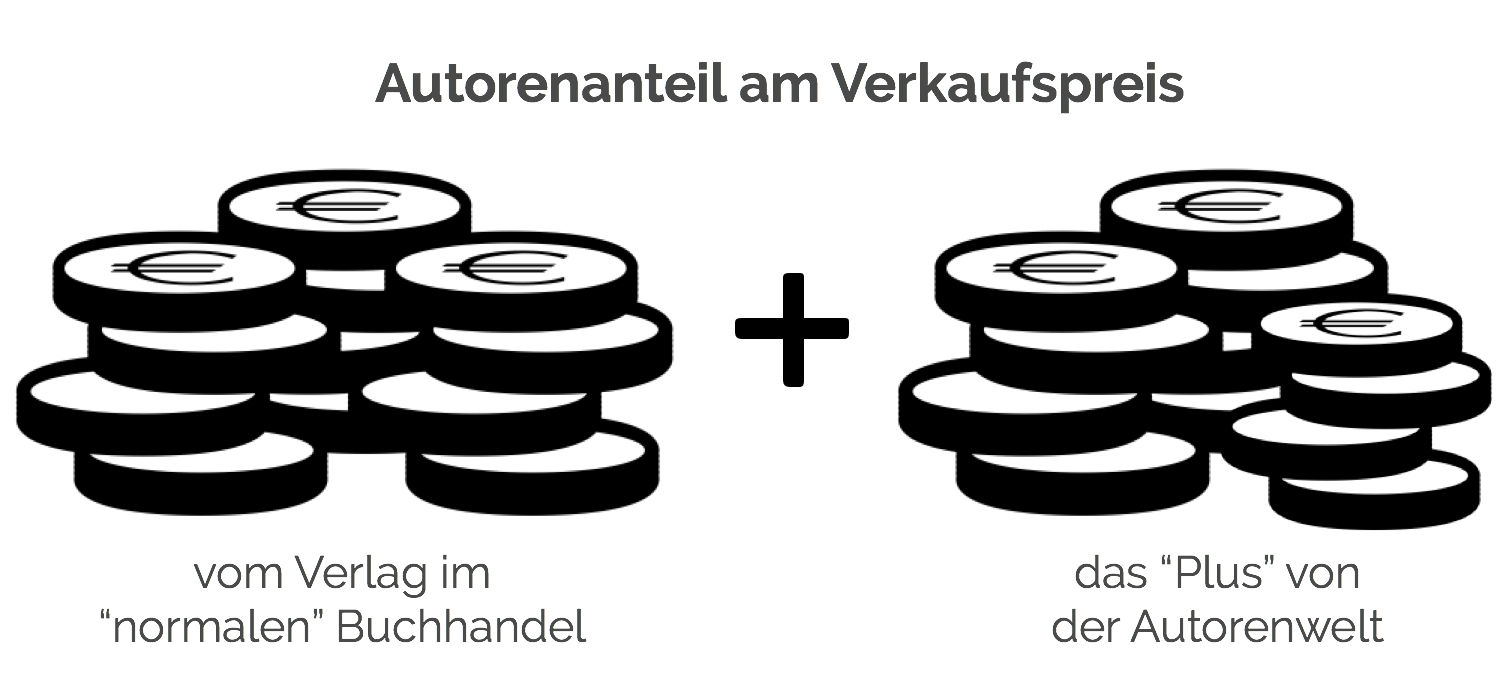
Autorenfreundlich Bücher kaufen?!
Beschreibung
Research Paper (undergraduate) from the year 2007 in the subject Law - Miscellaneous, grade: pass, University of the West of England, Bristol (School of Law), course: Masters of Law paper, language: English, abstract: States and international organisations are formal actors in drawing up international environmental agreements. As mentioned, nongovernmental organisations also has a key role to play. From the time of the adoption of the United Nations Charter in 1945, which provided for accreditation of NGOs (Art. 71), the NGO world experienced exponential growth. Some scholars believe that a critical mass has been reached making NGOs the new ¿fifth state¿ on the field of global governance (Fitzduff et.al., 2004:2) . NGOs have, in many places, become significant political actors, and this heterogeneous group has made its presence felt at the local, national, and international levels.
However, the growing numbers of NGOs do not entail a similar transition of their official status under the UN system. As provided in the UN Charter (Art. 4), only states can be members of the organisation. Hence, only voting states have formal powers to determine the outcome of international treaty negotiations. NGOs are subject to rules established by states, if any, for their limited participation in negotiation meetings. Although NGOs are cannot vote during international negotiations, they have devised ways to have an effect on the results of the process. However, the degree of NGO influence in international policymaking varies from one negotiation to another and this is becoming a major subject of interest for legal and NGO scholars.
This study aims to bring the debate on NGO influence to the current stage of international climate change negotiations. This thesis shall explore the influence of key ENGO¿s within the legal framework of participation in climate change policymaking with particular focus on the issue of process for negotiation of post-2012 climate policy during the Eleventh Conference of the Parties to the UNFCCC and first Conference of the Parties serving as the Meeting of Parties to the Kyoto Protocol (COP11 and COP/MOP1) as well as the events leading to and following the said meeting, as may be relevant.
Details
| Verlag | GRIN Verlag |
| Ersterscheinung | 09. Dezember 2008 |
| Maße | 21 cm x 14.8 cm x 0.8 cm |
| Gewicht | 152 Gramm |
| Format | Softcover |
| ISBN-13 | 9783640222803 |
| Auflage | 2. Auflage |
| Seiten | 96 |
Schlagwörter
Bekannt durch