
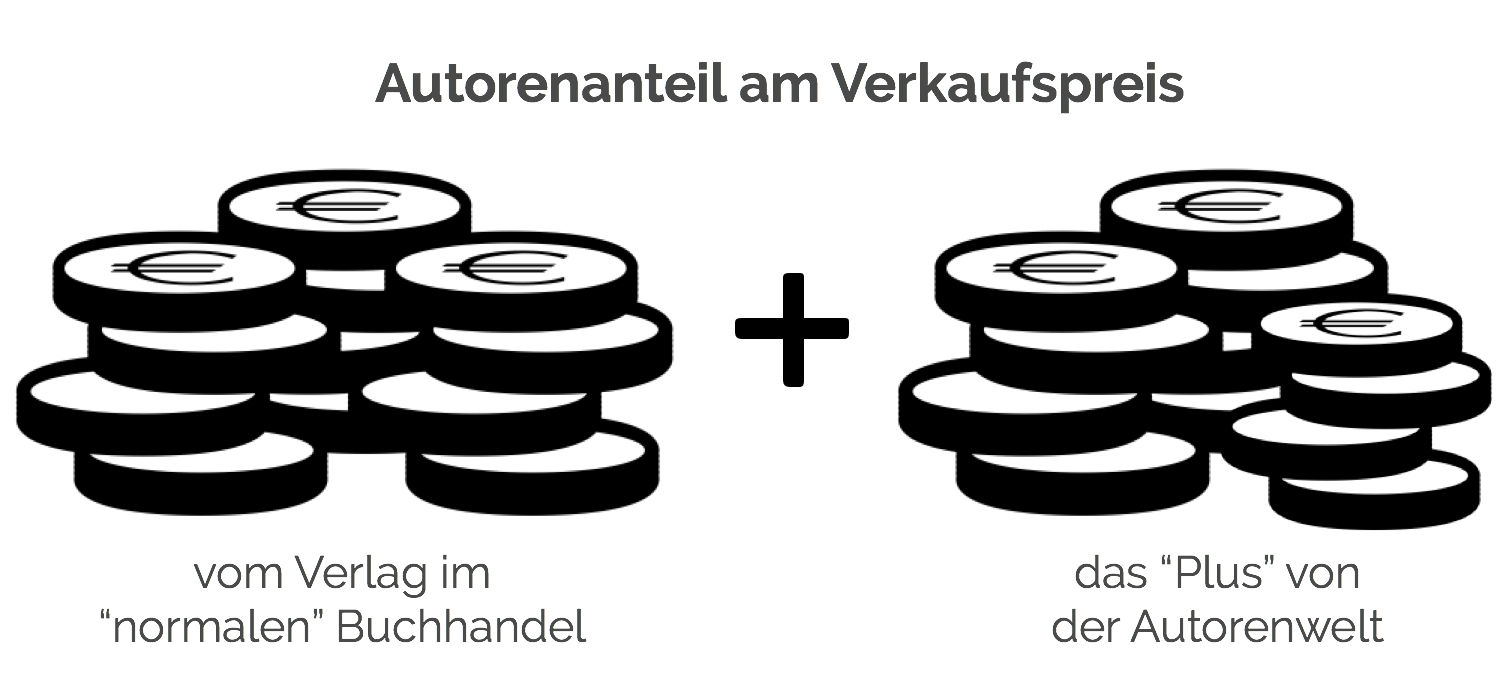
Autorenfreundlich Bücher kaufen?!
Beschreibung
Seminar paper from the year 2015 in the subject English Language and Literature Studies - Linguistics, grade: 1,0, , course: Morphology, language: English, abstract: This term paper will give an overview of compounds in general, about the stress and the types of compounds. Furthermore, to take a closer look at the languages comes the differentiation of nominal compounds, adjective compounds and verbal compounds in English and Turkish. The final point is the analysis of the differences and similarities of English and Turkish compounds.
With the help of word formation processes we form new words and there are many different processes that lead to many different new words. Compounding is a morphological operation where two or more free morphemes create one complex morpheme. Compounds are very important because they can prevent ambiguity if you just take a closer look at them and there are probably no languages without compounding. Every language is in need of compounded words because of the new inventions and changes in our society everyday. One of the most important and often used word formation processes is compounding.
This term paper presents a general overview of the structure of compounds in English and Turkish. Because my mother language is Turkish and I study English, I was really interested in the differences between the English and Turkish language. English is an analytic language and Turkish an agglutinating language therefore it makes it more interesting to analyze.
English and Turkish are different morphological types, but do they have the same compound structure?
Details
| Verlag | GRIN Verlag |
| Ersterscheinung | 02. September 2016 |
| Maße | 21 cm x 14.8 cm x 0.2 cm |
| Gewicht | 45 Gramm |
| Format | Softcover |
| ISBN-13 | 9783668286122 |
| Auflage | 1. Auflage |
| Seiten | 20 |
Bekannt durch