
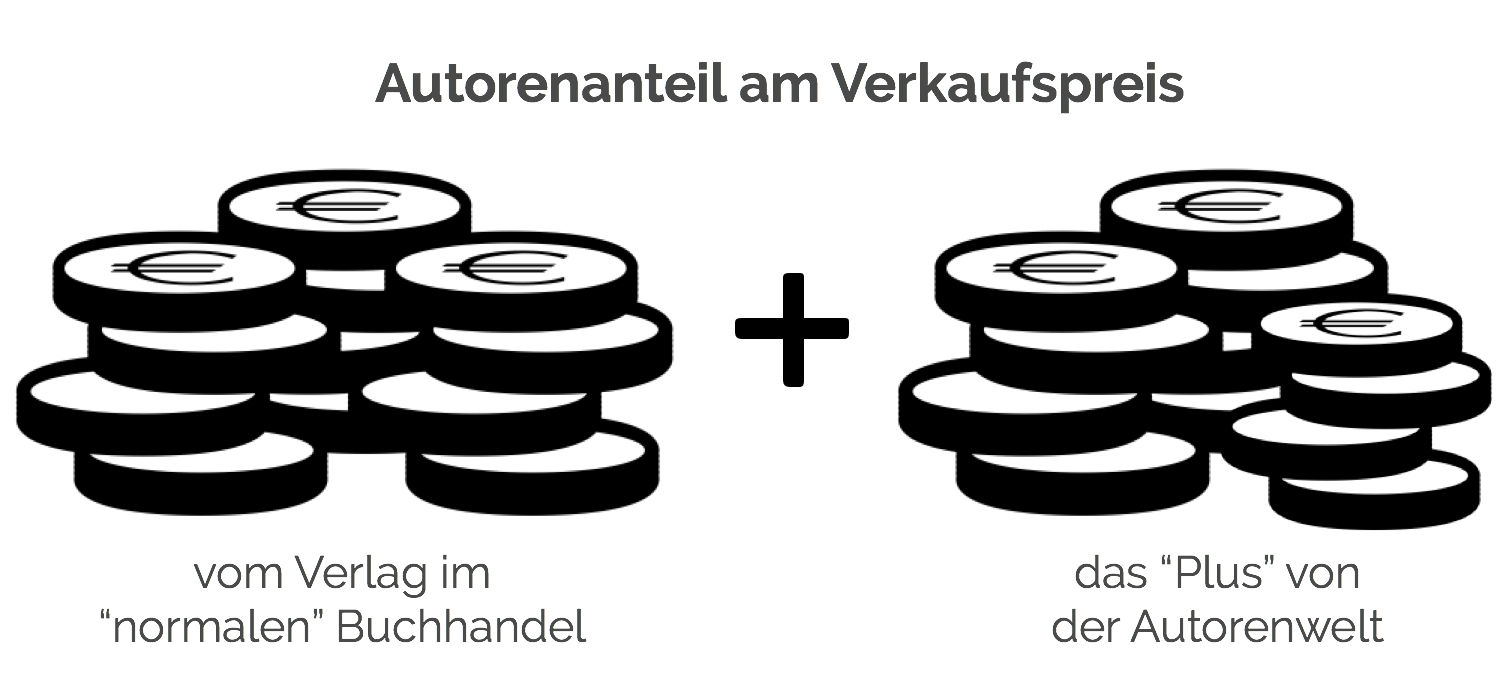
Autorenfreundlich Bücher kaufen?!
Beschreibung
Source: Wikipedia. Pages: 116. Chapters: Trombone, Trumpet, Brass instrument, Horn, Sousaphone, Embouchure, Tuba, Pitch of brass instruments, Flugelhorn, Euphonium, Cornet, Saxhorn, Sackbut, Cornett, Baritone horn, Bass trumpet, Bugle, History of primitive and non-Western trumpets, Saxotromba, Types of trombone, Saxtuba, Brass band, Natural trumpet, Serpent, Cornettino, Alto horn, Baroque trumpet, Embouchure collapse, Ophicleide, Mellophone, Tenor cornett, Contrabass bugle, Wagner tuba, Soprano helicon, Mute cornett, Buccin, Pocket trumpet, Natural horn, Carnyx, Subcontrabass tuba, Post horn, Slide trumpet, Keyed trumpet, Firebird, Medieval lituus, Tube trumpet, Vienna horn, Piccolo trumpet, Horn section, Superbone, Trombetto, Cornu, Vladimirskiy rozhok, Pedal tone, Fat trumpet, Five valve euphonium, Buccina, Fiscorn, Hand-stopping, Vienna valve trombone, Cimbasso, Bazooka, Double bell euphonium, Clarion, Marching brass, Soprano cornet, King 3B, Kakaki, Roman tuba, Nabal, Truba, Sotone, Flumpet, Aequale, Kuhlohorn, Jazzophone, Valide trombone, Kangling, Buisine, Sudrophone, Silver sonic trombone, Bhankora, Putatara. Excerpt: The trombone (Ger. Posaune, Sp. trombón) is a musical instrument in the brass family. Like all brass instruments, sound is produced when the player's vibrating lips (embouchure) cause the air column inside the instrument to vibrate. The trombone is usually characterised by a telescopic slide with which the player varies the length of the tube to change pitches, although the valve trombone uses three valves like those on a trumpet. The word trombone derives from Italian tromba (trumpet) and -one (a suffix meaning "large"), so the name literally means "large trumpet". Trombones and trumpets share the important characteristic of having predominantly cylindrical bores. Therefore, the most frequently encountered trombones-the tenor and bass trombone-are the tenor and bass counterparts of the trumpet. Trombone music, along with music for euphonium and tuba, is typically written in concert pitch while trumpet music is transposed to B, although exceptions do occur, the most notably being in brass band music. Most trombones are pitched in B, an octave below the trumpet and an octave above the tuba. A person who plays the trombone is called a trombonist or trombone player. A disassembled trombone. From left to right: mouthpiece, outer slide, bell section, inner slide. A trombone mouthpieceThe trombone consists of a roughly cylindrical tube bent into an elongated "S" shape. Rather than being truly cylindrical, the tube is a complex series of tapers with the smallest at the mouthpiece receiver and the largest just before the bell flare. The design of these tapers affects the intonation of the instrument. As with other brass instruments, sound is produced by blowing air through pursed lips producing a vibration that creates a standing wave in the instrument. The detachable cup-shaped mouthpiece is similar to that of the baritone horn and closely related to that of the trumpet. It has the venturi: a small constriction of the air column that adds resistance greatly affecting the t
Trombone, Trumpet, Brass instrument, Horn, Sousaphone, Embouchure, Tuba, Pitch of brass instruments, Flugelhorn, Euphonium, Cornet, Saxhorn, Sackbut, Cornett, Baritone horn, Bass trumpet, Bugle
Details
| Verlag | Books LLC, Reference Series |
| Ersterscheinung | Februar 2021 |
| Maße | 24.6 cm x 18.9 cm x 0.7 cm |
| Gewicht | 242 Gramm |
| Format | Softcover |
| ISBN-13 | 9781156407752 |
| Seiten | 116 |
Schlagwörter
Bekannt durch