
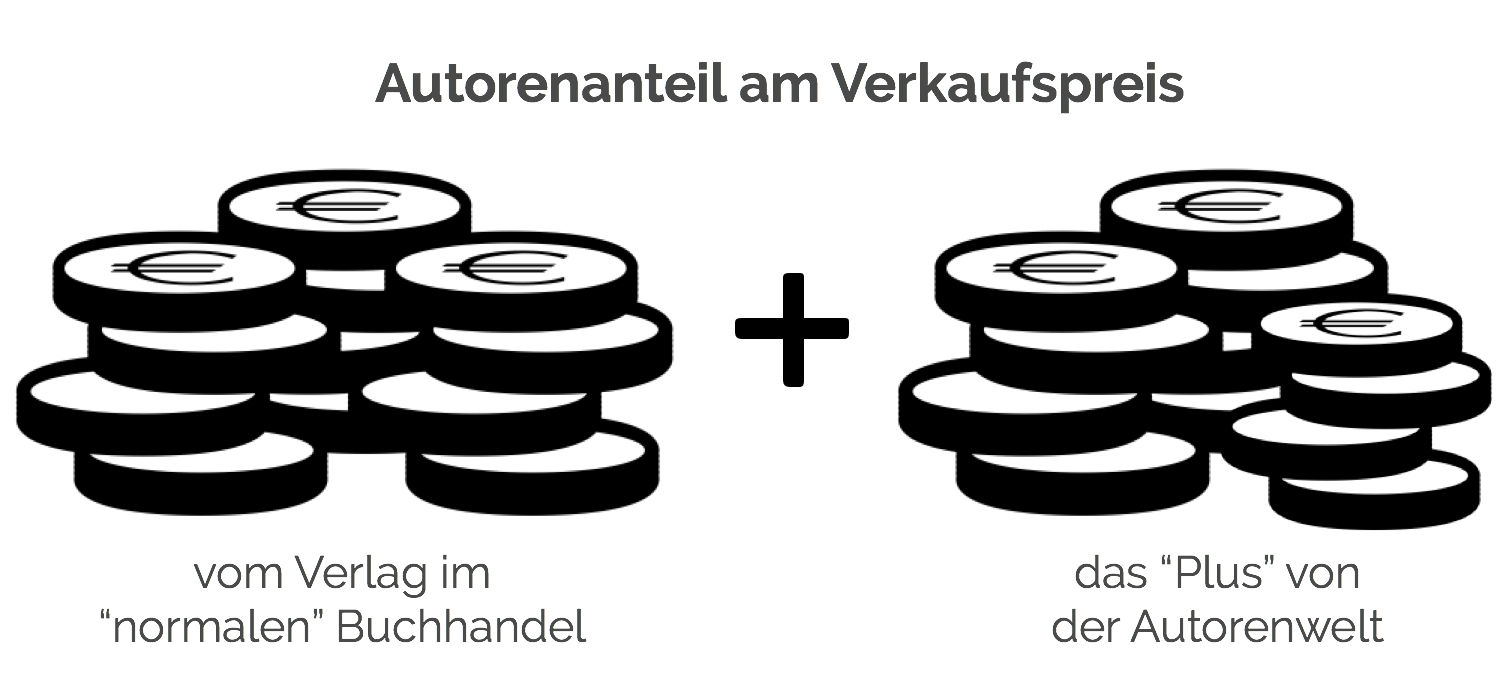
Autorenfreundlich Bücher kaufen?!
Beschreibung
Source: Wikipedia. Pages: 32. Chapters: Ancient Greek sites in Bulgaria, Prehistoric sites in Bulgaria, Roman sites in Bulgaria, Treasure troves in Bulgaria, Sozopol, Burgas, Round Church, Preslav, Pistiros, Varna Necropolis, Nesebar, Novae, Palace of Omurtag, Seuthopolis, Tatul, Perperikon, Villa Armira, Madara, Thracian Tomb of Kazanlak, Thracian Tomb of Sveshtari, Preslav Treasure, Thracian tomb of Aleksandrovo kurgan, Kozarnika, Obzor, Via Militaris, Dausdava, Heraclea Sintica, Panagyurishte Treasure, Plovdiv Roman theatre, Reka Devnia Hoard, Lukovit Treasure, Dabene Treasure, Beglik Tash, Valchitran Treasure, Thracian treasure, Diocletianopolis in Thracia, Rogozen Treasure, Plovdiv Roman Stadium, Via Pontica, Abritus. Excerpt: The Round Church (Bulgarian: , Kragla tsarkva), also known as the Golden Church (¿¿¿¿¿¿ ¿¿¿¿¿¿, Zlatna tsarkva) or the Church of St John (¿¿¿¿¿¿ ¿¿¿¿¿¿ ¿¿¿¿¿, tsarkva ¿Sveti Yoan¿), is a large partially preserved early medieval Eastern Orthodox church. It lies in Preslav, the former capital of the First Bulgarian Empire, today a town in northeastern Bulgaria. The church dates to the early 10th century, the time of Tsar Simeon I's rule and was unearthed and first archaeologically examined in 1927¿1928. Considered to be one of the most impressive examples of medieval Bulgarian architecture, the Round Church takes its name from the distinctive shape of one of its three sections, the cella (naos), which is a rotunda that serves as a place of liturgy. The church's design also includes a wide atrium and a rectangular entrance area, or narthex, marked by two circular turrets. The church has been likened to examples of religious architecture from the late Roman (Early Christian) period, the Caucasus, and the Carolingian Pre-Romanesque of Charlemagne because of its characteristic plan, which is significantly different from contemporaneous Bulgarian or Byzantine buildings. The church's alternative name, the Golden Church, stems from its possible and popular identification with a "new golden church" in Preslav referenced in a medieval literary source. The Round Church's rich interior decoration, which makes ample use of mosaics, ceramics and marble details, distinguishes it from other churches in Preslav. Its interior features hundreds of drawings depicting ships, fauna, and Christian figures. Medieval inscriptions on the walls range from names of saints in Byzantine Greek to separate letters and short texts in the Glagolitic and Cyrillic alphabets. Founded in 681 as a pagan state, Bulgaria was formally Christianised by Byzantine clergy in the 860s, under Prince Boris (r. 852¿889). The right to convert Bulgaria to Christianity was the subject of a political dispute between Byz
Ancient Greek sites in Bulgaria, Prehistoric sites in Bulgaria, Roman sites in Bulgaria, Treasure troves in Bulgaria, Sozopol, Burgas, Round Church, Preslav, Pistiros, Varna Necropolis, Nesebar, Novae, Palace of Omurtag, Seuthopolis
Details
| Verlag | Books LLC, Reference Series |
| Ersterscheinung | Dezember 2011 |
| Maße | 24.6 cm x 18.9 cm x 0.3 cm |
| Gewicht | 85 Gramm |
| Format | Softcover |
| ISBN-13 | 9781156394977 |
| Seiten | 32 |
Schlagwörter
Bekannt durch