
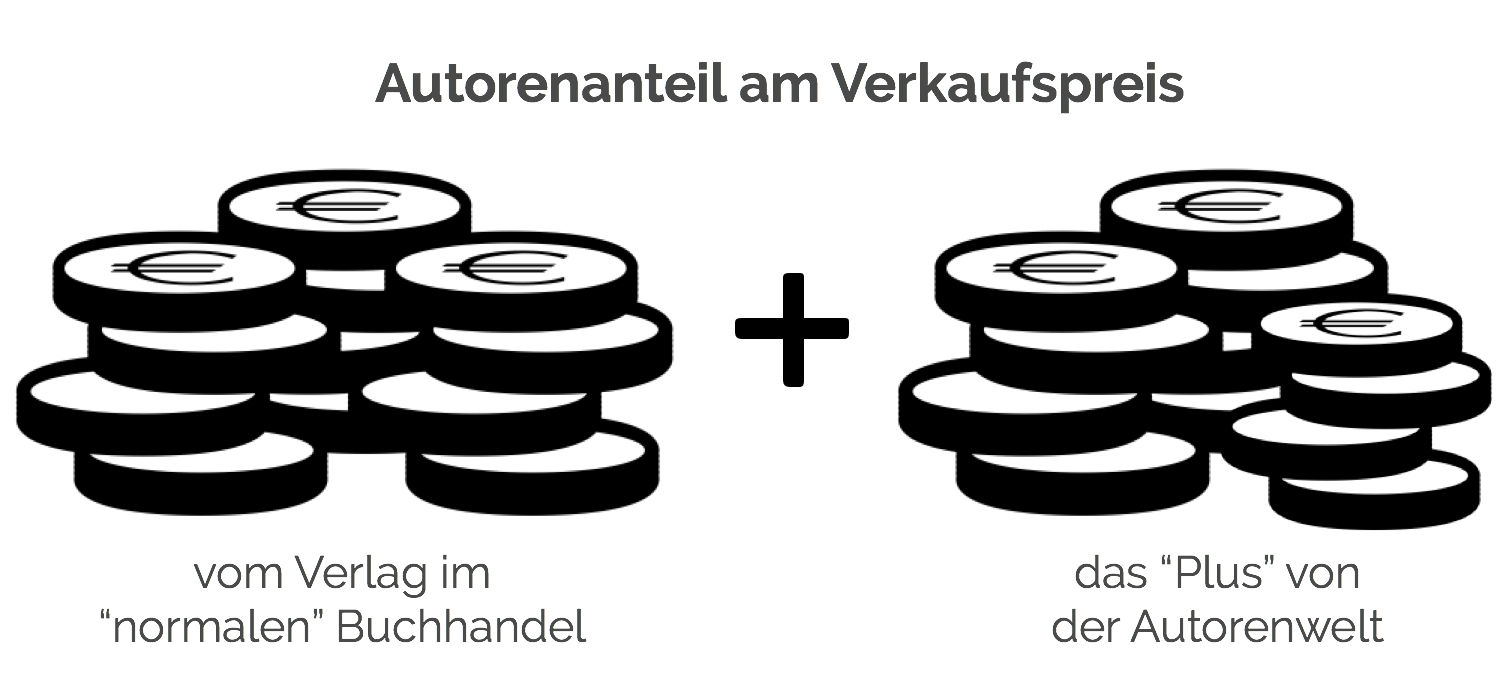
Autorenfreundlich Bücher kaufen?!
Beschreibung
Source: Wikipedia. Pages: 50. Chapters: 1878 treaties, Conflicts in 1878, States and territories established in 1878, Romania, Bulgaria, Lincoln County War, Congress of Berlin, Kresna-Razlog Uprising, Eastern Rumelia, Battle of Ali Masjid, List of state leaders in 1878, Bosnia and Herzegovina, Principality of Bulgaria, Battle of Shipka Pass, Romanian War of Independence, List of sovereign states in 1878, Treaty of San Stefano, Kars Oblast, Cyprus Convention, Epirus Revolt of 1878, Treaty of Berlin, Bannock War, Republic of Tamrash, Wassoulou Empire, Montenegrin¿Ottoman War, Battle of Philippopolis, Cheyenne War, Battle of Peiwar Kotal, El Paraíso Department, Takebashi Incident, Pact of Zanjón, List of colonial governors in 1878. Excerpt: Romania ( ; also spelled: Rumania, dated: Roumania; Romanian: ) is a country located at the crossroads of Central and Southeastern Europe, north of the Balkan Peninsula, on the Lower Danube, within and outside the Carpathian arch, bordering on the Black Sea. Romania shares a border with Hungary and Serbia to the west, Ukraine and the Moldova to the northeast, and Bulgaria to the south. At 238,391 square kilometers (92,043 sq mi), Romania is the ninth largest country of the European Union by area, and has the seventh largest population of the European Union with 21.5 million people. Its capital and largest city is Bucharest (Romanian: ), the sixth largest city in the EU with about two million people. The Kingdom of Romania emerged when the principalities of Moldavia and Wallachia were united under Prince Alexander John Cuza in 1859. Independence from the Ottoman Empire was declared on May 9, 1877, and was internationally recognized the following year. At the end of World War I, Transylvania, Bukovina and Bessarabia united with the Kingdom of Romania. Greater Romania emerged into an era of progression and prosperity that would continue until World War II. By the end of the War, many north-eastern areas of Romania's territories were occupied by the Soviet Union, and Romania forcibly became a socialist republic and a member of the Warsaw Pact. With the fall of the Iron Curtain and the 1989 Revolution, Romania started a series of political and economic reforms. After a decade of post-revolution economic problems, Romania made economic reforms and joined the European Union on 1 January 2007. Romania is now a middle-income country with high human development Romania joined NATO on 29 March 2004, and is also a member of the Latin Union, of the Francophonie, of the OSCE and of the United Nations, as well as an associate member of the CPLP. Today, Romania is a unitary parliamentary republic: the President is the head of state, but executive power is exercised by the governmen
1878 treaties, Conflicts in 1878, States and territories established in 1878, Romania, Bulgaria, Lincoln County War, Congress of Berlin, Kresna-Razlog Uprising, Eastern Rumelia, Battle of Ali Masjid, List of state leaders in 1878
Details
| Verlag | Books LLC, Reference Series |
| Ersterscheinung | Juli 2012 |
| Maße | 24.6 cm x 18.9 cm x 0.4 cm |
| Gewicht | 119 Gramm |
| Format | Softcover |
| ISBN-13 | 9781155984445 |
| Seiten | 50 |
Schlagwörter
Bekannt durch